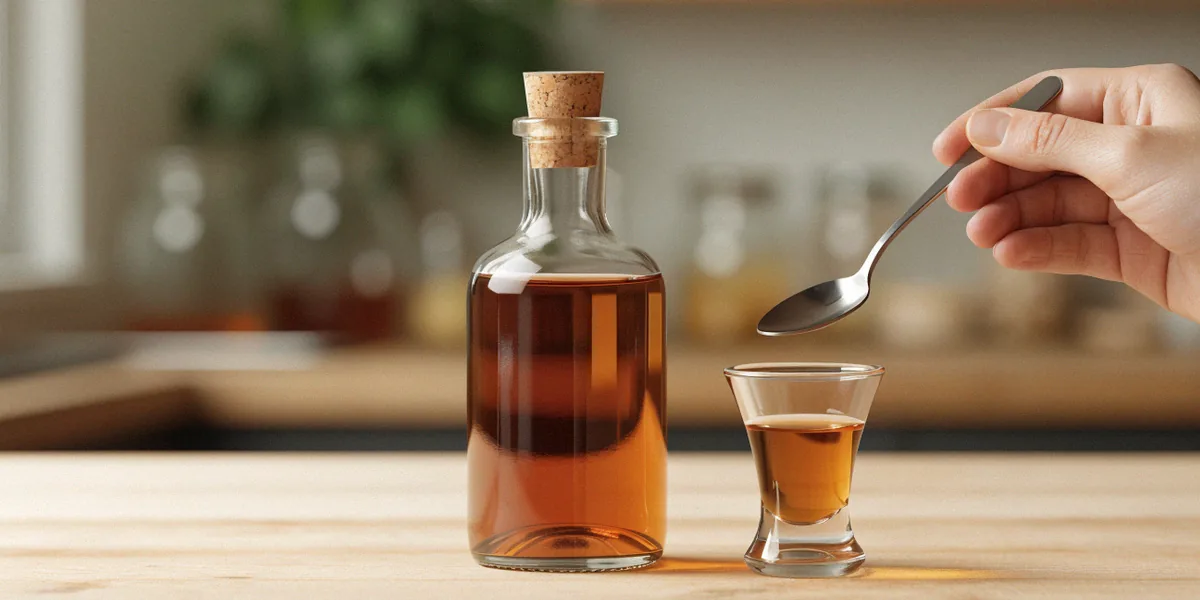
Sherry Vinegar: How to Use It in Your Spanish Kitchen
We still remember the moment it clicked. We were sitting at a cramped bar in Seville, working our way through a plate of gambas al ajillo, when we asked the barman what gave the dish its bright, almost electric finish. He reached under the counter and produced a dusty bottle of vinagre de Jerez. Not balsamic, not lemon juice — sherry vinegar. That single realisation changed how we cook. Since then, a bottle has lived permanently next to our hob, and this guide explains why it deserves the same spot in your UK kitchen.
What Is Sherry Vinegar and Why We Love It
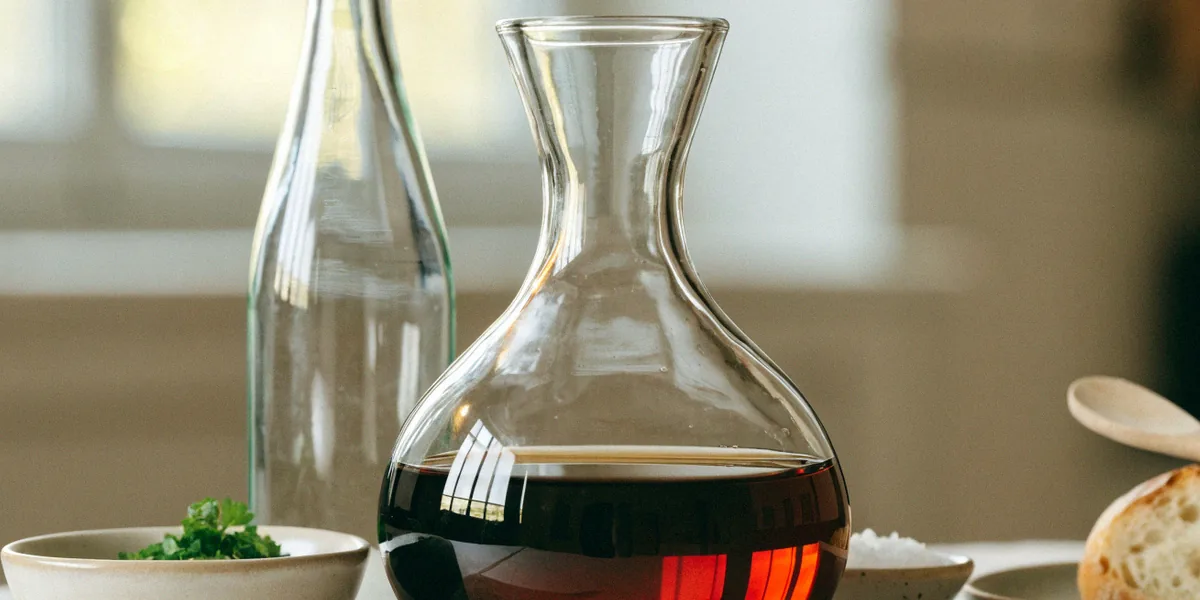
Sherry vinegar is made exclusively from Sherry wines in and around Jerez de la Frontera in Andalusia, southern Spain. It carries a protected designation of origin — Vinagre de Jerez DOP — which means any bottle labelled as such must be produced in the Jerez region using traditional methods. That legal protection matters: it guarantees you are buying the real thing, not a flavoured imitation. The result is a vinegar with a nutty, caramel-like depth that sits somewhere between balsamic and red wine vinegar in character, but with a sharper, cleaner acidity that lifts food rather than smothering it.
How Sherry Vinegar Is Made
Production starts with Sherry wine, which is then acetified — the alcohol converted to acetic acid — before ageing in oak barrels. Most sherry vinegar is aged using the solera system, a tiered stack of barrels where younger vinegar is gradually blended with older batches as it moves down the rows. This continuous blending is what gives sherry vinegar its consistency and complexity. The oak ageing adds colour, aroma and those distinctive notes of dried fruit, toasted nuts and caramel. The longer it ages, the deeper and more syrupy it becomes.
Sherry Vinegar vs Balsamic and Red Wine Vinegar
Balsamic vinegar is sweeter, thicker and made from grape must in Modena, Italy — excellent for drizzling but often too sugary for everyday cooking. Red wine vinegar is sharper and more one-dimensional, fine for dressings but lacking the layered depth of a good Jerez vinegar. Sherry vinegar sits in the middle: it has the acidity to cut through rich food, but enough complexity to stand on its own. For Spanish cooking in particular, it is simply the correct choice.
Which Sherry Vinegar Should You Buy in the UK?
Walk into any decent Spanish deli in the UK and you will see bottles at wildly different prices. The difference usually comes down to age. Younger vinegars are bright and punchy; older ones are darker, smoother and more expensive. For everyday cooking, we recommend starting with a Reserva — it offers the best balance of quality and value.
Age Classifications Explained
- Vinagre de Jerez: minimum six months oak ageing. Sharp, light and ideal for dressings and marinades.
- Reserva: minimum two years ageing. Rounder, nuttier and our go-to for most cooking.
- Gran Reserva: minimum ten years ageing. Intense, almost syrupy — best used sparingly as a finishing vinegar.
Our Favourite Brands and Where to Find Them
Valdespino and Columela are two of the most reliable names you will find in the UK, both producing consistently excellent Reserva bottles. Sainsbury’s Taste the Difference range also carries a solid sherry vinegar that works well for everyday use. For a wider selection, Brindisa and Sous Chef are our favourite UK stockists for Spanish ingredients, and Borough Market in London has several traders who stock artisan bottles. Buying from a specialist means you can often taste before you commit.
Everyday Ways to Use Sherry Vinegar
You do not need a special occasion to reach for the bottle. Sherry vinegar improves almost anything it touches, from a quick weekday salad to a Sunday roast. Here are the ways we use it most often.
Salad Dressings and Vinaigrettes
The classic ratio is three parts olive oil to one part sherry vinegar. Whisk with a pinch of salt, a little Dijon mustard if you like, and you have a vinaigrette that beats anything from a supermarket bottle. Pair it with a good Spanish olive oil — a Picual or Arbequina works beautifully — and the dressing becomes greater than the sum of its parts.
Marinades and Meat Dishes
Sherry vinegar tenderises and flavours chicken and pork beautifully. We often marinate chicken thighs in sherry vinegar, garlic, smoked paprika and olive oil for an hour before roasting. For pork, a splash in the pan while frying chops adds instant depth. It also works wonders in a slow-cooked pork shoulder, cutting through the fat and brightening the sauce.
Finishing Touch for Vegetables and Soups
Roasted vegetables — especially peppers, aubergines and onions — benefit enormously from a drizzle of sherry vinegar straight out of the oven. The acidity wakes up their natural sweetness. The same trick works for soups: a teaspoon stirred into a bowl of lentil or tomato soup just before serving adds a lift that salt alone cannot achieve.
Sherry Vinegar in Classic Tapas Recipes
This is where sherry vinegar truly earns its place. Tapas cooking relies on bold, contrasting flavours, and sherry vinegar is often the quiet element holding everything together.
Seafood Tapas: Gambas al Ajillo and Escabeche
In gambas al ajillo, a few drops of sherry vinegar added at the very end of cooking brighten the garlic and chilli oil. In escabeche — the Spanish technique of marinating cooked fish in vinegar, oil and spices — sherry vinegar is essential. It preserves the fish while infusing it with tang and depth. We use it for mackerel, sardines and even chicken escabeche.
Cold Soups: Ajo Blanco and Salmorejo
Ajo blanco, the chilled almond and garlic soup from Andalusia, depends on sherry vinegar for its characteristic bite. Without it, the soup tastes flat. Salmorejo, the thicker tomato and bread soup from Córdoba, also benefits from a splash. Both are perfect summer starters and both showcase how a single ingredient can define a dish.
Pairing with Spanish Cheese and Charcuterie
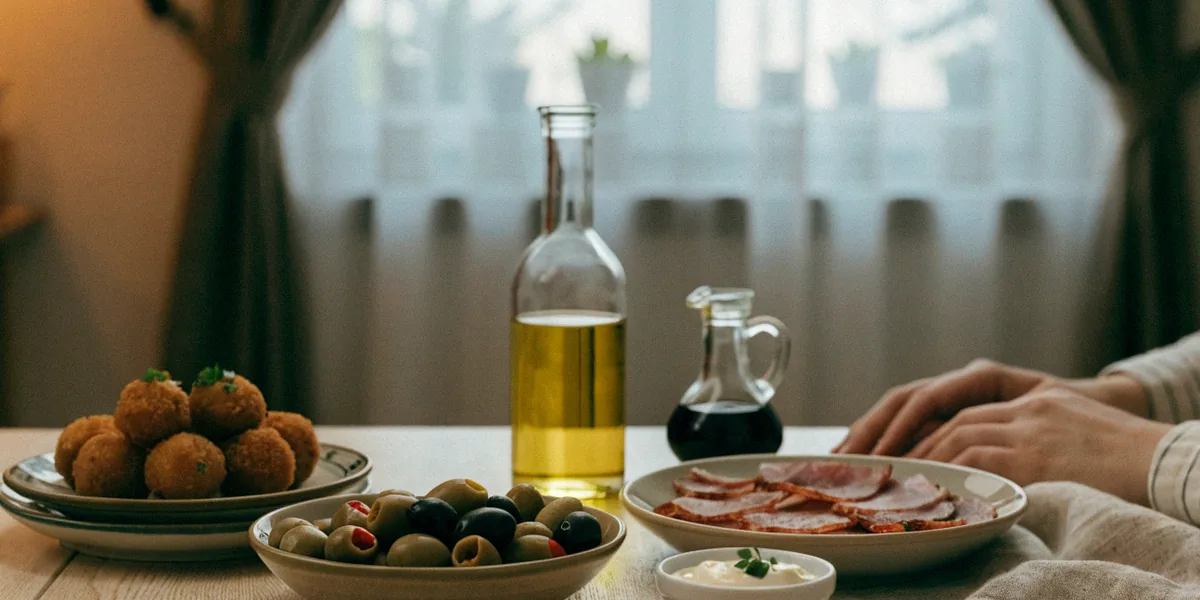
Sherry vinegar pairs particularly well with Manchego cheese and jamón ibérico. A few drops drizzled over a wedge of aged Manchego, alongside a slice of jamón, creates a plate that balances salt, fat and acidity perfectly. We often serve this as a simple starter with a glass of dry Sherry or a light red.
Cooking Tips and Substitutions
Once you start cooking with sherry vinegar, a few techniques will help you get the most from every bottle.
How to Balance Acidity
Sherry vinegar is assertive, so taste as you go. If a dressing or sauce tastes too sharp, add a little honey, a pinch of sugar or a touch more olive oil. Reducing sherry vinegar in a pan over low heat concentrates its flavour and turns it into a glaze — perfect for drizzling over roasted vegetables or grilled meat.
Substitutions and What to Avoid
In a pinch, you can substitute sherry vinegar with red wine vinegar, though you will lose some of the nutty complexity. Avoid cheap imitations labelled simply as “sherry flavoured vinegar” — these are usually malt vinegar with added flavourings and will not give you the same result. Start with a Reserva for everyday cooking and save the Gran Reserva for finishing.
Where to Buy Sherry Vinegar in the UK
Availability has improved enormously in recent years, and you no longer need to hunt down a specialist deli to find a decent bottle.
Supermarkets and Online Shops
Waitrose and Sainsbury’s both stock sherry vinegar in their larger stores, usually in the oils and vinegars aisle. For a wider range, Brindisa and Sous Chef are excellent online stockists, and Borough Market remains a great option if you are in London. The Tapas Lunch Company also carries a good selection of Spanish vinegars and pantry staples.
Spanish Food Hampers and Gift Sets
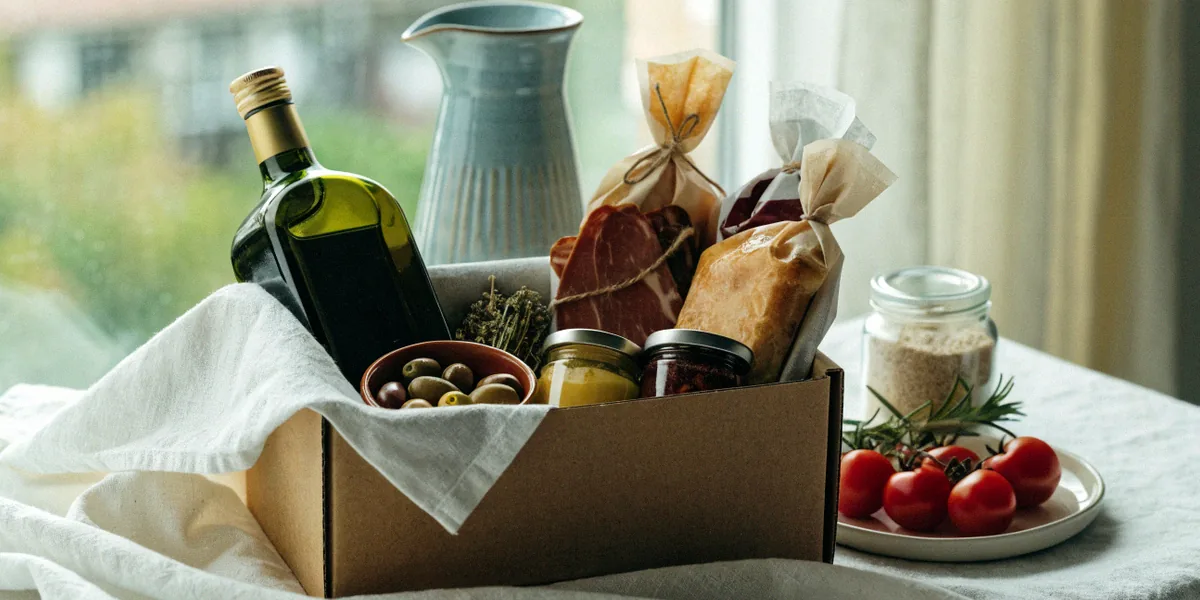
If you are curious about sherry vinegar but unsure which bottle to choose, a Spanish food hamper is a brilliant way to explore. Many UK retailers include sherry vinegar as part of Spanish-themed gift sets, often alongside olive oil, Manchego, jamón and other essentials. It is an easy way to discover the ingredient in context, and a thoughtful gift for anyone who loves Spanish food.
FAQ
Is sherry vinegar the same as balsamic vinegar?
No. Sherry vinegar is made from Sherry wine in Jerez, Spain, and is protected by the Vinagre de Jerez DOP. Balsamic vinegar is made from grape must in Modena, Italy, and is sweeter and thicker. They are not interchangeable in most recipes.
Can I use sherry vinegar in place of red wine vinegar?
Yes, in most recipes you can substitute sherry vinegar for red wine vinegar one-for-one. The flavour will be slightly nuttier and more complex, which is usually an improvement in Spanish and Mediterranean dishes.
Which sherry vinegar is best for everyday cooking?
A Reserva, aged at least two years, offers the best balance of quality and price for everyday use. Save Gran Reserva for finishing dishes where its intensity can shine.
Where can I buy sherry vinegar in the UK?
Brindisa and Sous Chef are reliable online stockists, and Borough Market has several traders. Waitrose and Sainsbury’s also stock sherry vinegar in larger stores. Valdespino and Columela are two widely available brands.
Does sherry vinegar go bad?
Sherry vinegar does not spoil in the way fresh food does, but it does lose complexity over time. Stored in a cool, dark place, a good bottle will keep for several years. Older vinegars may develop sediment, which is harmless.
A good bottle of sherry vinegar is one of the smallest investments you can make in your kitchen, and one of the most rewarding. It transforms dressings, marinades, tapas and even a simple bowl of soup, bringing authentic Spanish flavour to everyday cooking in the UK. Start with a Reserva, keep it within easy reach, and you will wonder how you ever cooked without it.

Post Comment