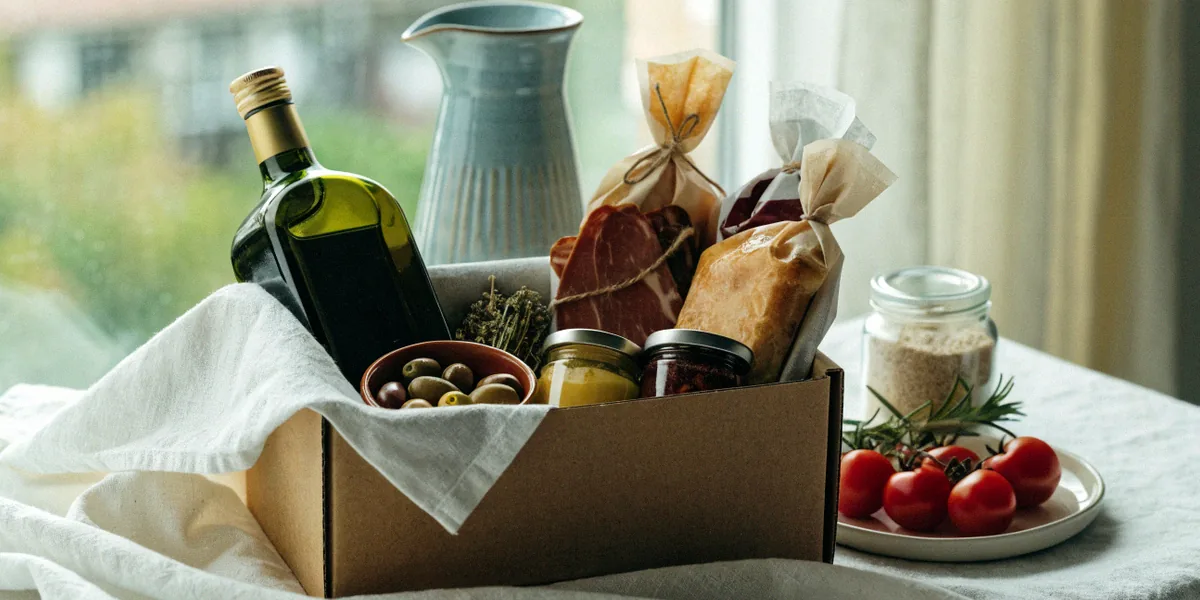
Spanish Food Hampers: What to Include
There’s a particular delight in watching someone open a Spanish food hamper. First comes the rustle of tissue paper, then the glint of a tin of olive oil, the unmistakable weight of a good bottle of Rioja, and finally the question we hear every time: “Where do I even start?” Whether you’re putting one together for a tapas-loving friend or simply treating yourself, a well-built Spanish hamper is one of the most rewarding gifts you can give a UK home cook. At The Foodie’s Larder, we’ve spent years cooking with these ingredients, and the best hampers aren’t the most expensive — they’re the most thoughtful. Here’s what we’d put in ours, and why.
Why Spanish Food Hampers Are a Hit in the UK
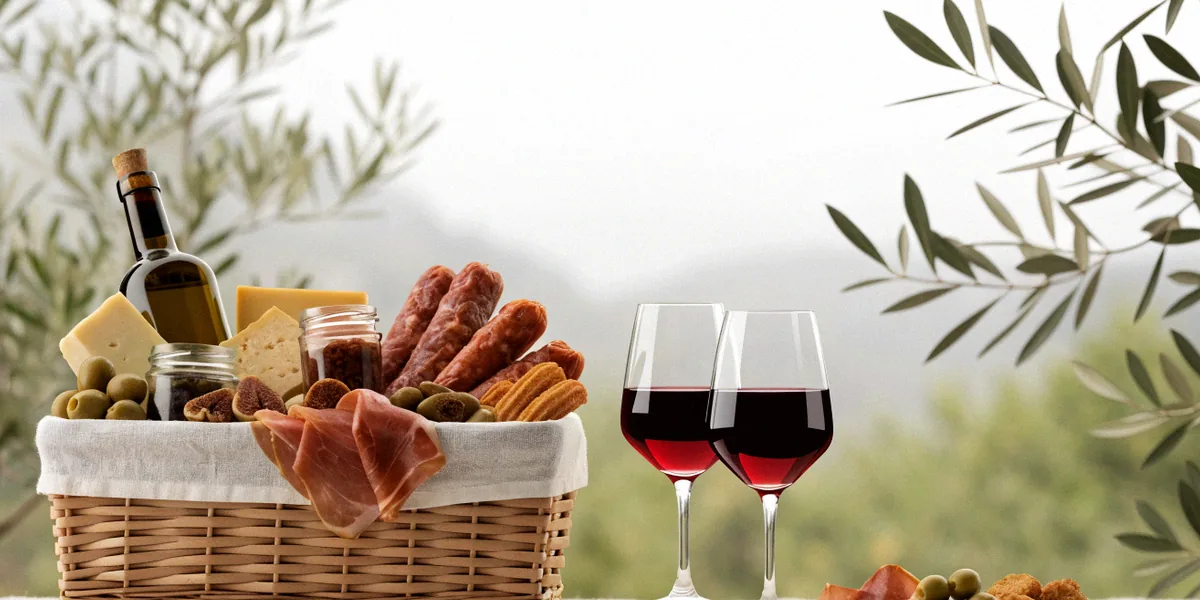
Spanish food has moved firmly from holiday souvenir to everyday staple in British kitchens. Walk through Borough Market on a Saturday and you’ll see the same thing: people queuing for jamón sliced to order, arguing over the last tin of anchovies, and treating a plate of padron peppers like a religious experience. Spanish cuisine suits the way we actually eat now — sharing plates, bold flavours, and ingredients that reward minimal fuss.
Tapas culture has transformed how we dine out in Britain. Restaurants like Tapas Revolution brought authentic Spanish tapas to high streets across London, Birmingham and Manchester, while retailers like Brindisa made the ingredients behind those dishes available to home cooks. Suddenly, the chorizo you loved in a restaurant was sitting in your local deli, and the sherry vinegar in your cupboard wasn’t just for salad dressing anymore.
We’ve also noticed a clear pattern among our readers: they want authenticity without a plane ticket. That means properly aged Manchego, olive oil with a harvest date on the label, and cured meats actually cured in Spain. A hamper solves this neatly. Instead of hunting down six different shops, you’re handing someone a curated shortcut to the best of Spanish food.
Essential Spanish Cheeses for Your Hamper
No Spanish hamper is complete without cheese, and Spain produces some of the most distinctive in Europe. Brindisa and La Fromagerie are two of our favourite UK stockists, both carrying properly matured Spanish cheeses rather than bland, mass-produced versions.
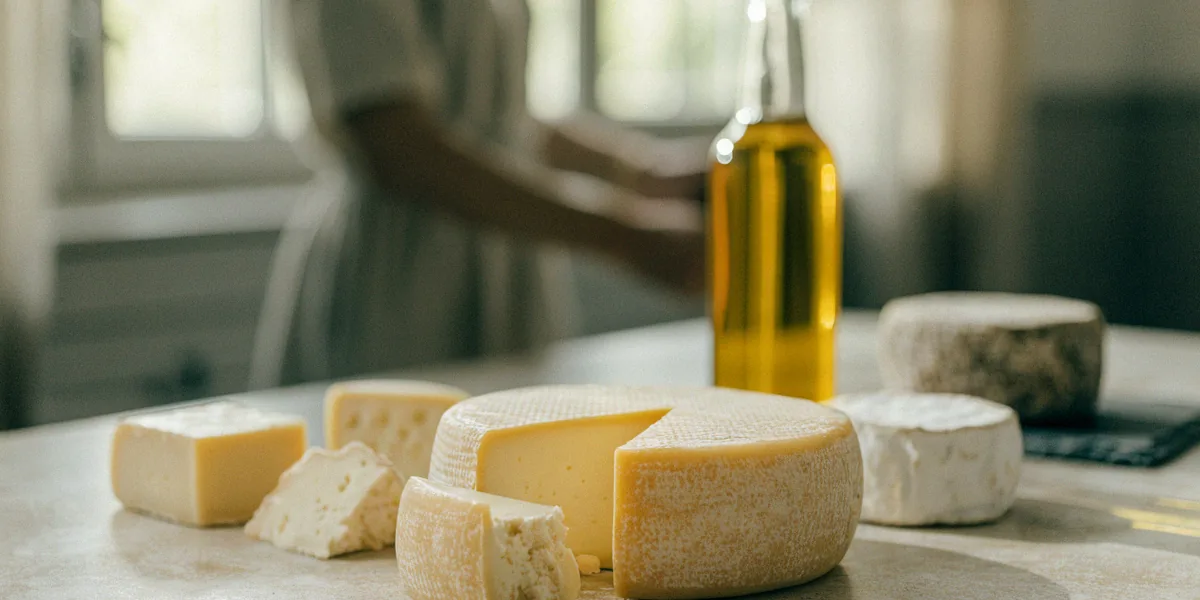
Manchego is the most popular Spanish cheese in the UK, and for good reason. Made from sheep’s milk in La Mancha, it’s nutty, firm and deeply savoury, with a distinctive herringbone rind. A young Manchego (curado) is creamy and mild; a mature one (viejo) is crumbly, intense and slightly piquant. We’d include a wedge of each so the recipient can taste the difference. It pairs beautifully with Membrillo (quince paste), which is worth adding too.
If you’re building a hamper for someone who genuinely loves cheese, go further:
- Idiazábal — a Basque sheep’s milk cheese, smoked over beechwood, with a lovely smoky depth. Brilliant with Rioja.
- Cabrales — a blue cheese from Asturias, pungent and creamy. Not for the faint-hearted, but unforgettable.
- Garrotxa — a milder Catalan goat’s cheese that makes a gentle contrast to the stronger options.
Cured Meats and Charcuterie
Cured meat is often the first thing people look for when they open a Spanish hamper, and it’s where quality matters most. A hand-carved plate of jamón is a completely different experience from pre-sliced supermarket packets.
Jamón ibérico comes from Iberian pigs, and the best (de bellota) are raised on acorns, which gives the meat its deep, nutty flavour and distinctive marbling. Brands like Fermín and Revilla are reliable names to look for. If you can, include hand-carved slices rather than machine-cut — the texture is noticeably better. A small tin of picos (Spanish breadsticks) alongside it turns the hamper into an instant tapas board.
Chorizo is the workhorse of Spanish cooking, and there’s a huge range to choose from. Look for chorizo ibérico for eating raw with cheese, and a cooking chorizo for frying with eggs or adding to stews. Beyond chorizo, consider:
- Lomo — cured pork loin, milder and leaner than jamón.
- Salchichón — a coarse-ground sausage seasoned with black pepper.
- Cecina — air-dried beef, a lesser-known but excellent alternative to pork.
Pantry Staples: Olive Oil, Sherry Vinegar, and More
The unsung heroes of any Spanish hamper are the pantry items. They’re not glamorous, but they’re what turn a nice gift into a genuinely useful one for a home cook. Two bottles in particular do more work than anything else in the box.
Spain produces more olive oil than any other country in the world, and the difference between a good Spanish extra virgin and a generic supermarket bottle is startling. We’d choose a single-estate oil — Columela is a dependable name — and look for a harvest date rather than a best-before date. A peppery Andalusian oil is perfect for dipping bread and finishing dishes; a milder one works for cooking. Include both if the budget allows.
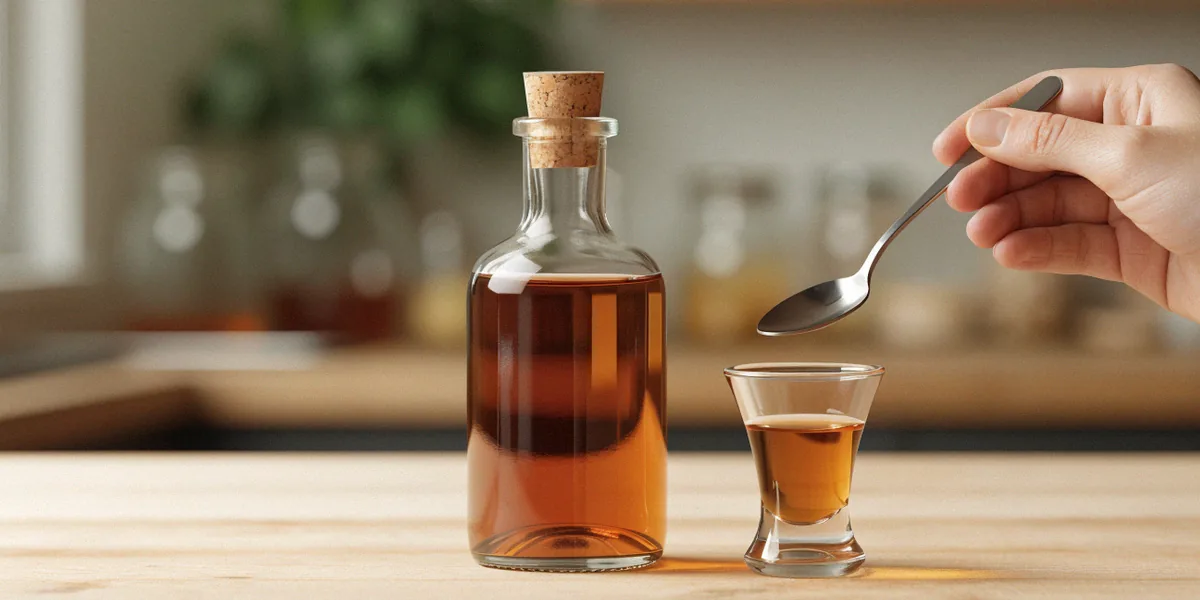
Sherry vinegar is a key ingredient in many tapas recipes, and once you’ve cooked with it you’ll never go back to ordinary vinegar. It’s aged in the solera system in Jerez, giving it a rounded, nutty complexity that’s far softer than its sharpness suggests. Valdespino produces some of the best. Use it in gazpacho, drizzled over grilled vegetables, or to deglaze a pan of prawns with garlic. A small bottle goes a long way, which makes it ideal for a hamper.
Sweet Treats and Snacks
A hamper needs something sweet to finish, and Spanish confectionery is wonderfully distinctive — almond-heavy, subtly spiced and deeply traditional.
Turrón and polvorones are traditional Spanish sweets often enjoyed at Christmas, but there’s no reason to wait until December. Turrón comes in two main styles: the hard Alicante version, made with whole almonds and honey, and the soft Jijona version, ground into a smooth, fudgy paste. Polvorones are crumbly almond shortbreads, often flavoured with cinnamon or lemon. El Almendro is the brand most UK shoppers will recognise, and it’s a reliable choice.
Spanish marzipan (mazapán) from Toledo is quite different from the British version — denser, less sweet, and made with a higher proportion of almond. We’d also add a bar of dark chocolate with sea salt, or a jar of Membrillo to go with the cheese.
Drinks to Complement Your Hamper
Finally, the drinks. A bottle or two turns a hamper from a snack box into an occasion, and Spanish wine offers remarkable value right now.
Rioja is the obvious choice and still the best-loved Spanish red in the UK — Campo Viejo is a familiar name, though we’d encourage exploring smaller bodegas too. A Reserva Rioja has the vanilla-and-cherry character that pairs beautifully with jamón and Manchego. For white, Albariño from Rías Baixas is crisp, citrusy and slightly saline — perfect with seafood and a world away from generic Pinot Grigio.
Sherry has shaken off its dusty image, and rightly so. Tío Pepe’s fino is bone-dry and bracing, served ice-cold with olives and almonds. A cream sherry works as a dessert pairing with turrón. And if you’re including sherry vinegar in the hamper, a bottle of sherry alongside it makes a lovely thematic touch — the same region, two very different expressions.
FAQ
What should every Spanish food hamper include?
At minimum, we’d suggest a wedge of Manchego, a packet of jamón ibérico or chorizo, a bottle of good extra virgin olive oil, a small bottle of sherry vinegar, and one sweet treat such as turrón. From there, add wine or sherry, olives, and picos to round it out.
Where can I buy Spanish ingredients in the UK?
Brindisa is a leading UK retailer for Spanish foods, with shops in London and a strong online range. La Fromagerie is excellent for cheese, Selfridges stocks high-quality Spanish cured meats, and most large cities now have independent delis carrying Spanish produce.
Is Manchego the best Spanish cheese for a hamper?
It’s certainly the safest bet — Manchego is the most popular Spanish cheese in the UK, and its nutty, firm character appeals to almost everyone. If the recipient enjoys stronger flavours, add Idiazábal or Cabrales alongside it.
Can I include fresh items in a Spanish hamper?
We’d stick to shelf-stable items for hampers that need to travel: cured meats, hard cheeses, tinned fish, olive oil, vinegar, and sweets. If you’re hand-delivering, you can add fresh chorizo or a soft cheese, but keep it chilled.
When should I give a Spanish food hamper?
Any time, really — but they’re especially popular at Christmas, when turrón and polvorones come into their own. They also make excellent housewarming gifts, birthday presents for food lovers, and thank-you gifts for hosts.
A well-curated Spanish food hamper should balance authenticity, variety and practicality. Authenticity means ingredients that genuinely come from Spain and are made the traditional way. Variety means mixing cheese, cured meat, pantry staples, sweets and drinks so there’s something for every mood. Practicality means choosing things a UK home cook will actually use — a bottle of sherry vinegar that transforms a weeknight dinner, not a novelty item that gathers dust. Start with the essentials, then mix and match based on what the recipient loves. If they’re a cheese person, lean into Manchego and Idiazábal. If they cook constantly, double up on the oil and vinegar. If they simply love Spain, give them the full spread — jamón, Rioja, turrón and all — and let them recreate a tapas bar at their own kitchen table.

Post Comment