Spanish Cheese Beyond Manchego: A Journey Through Spain’s Regional Cheeses
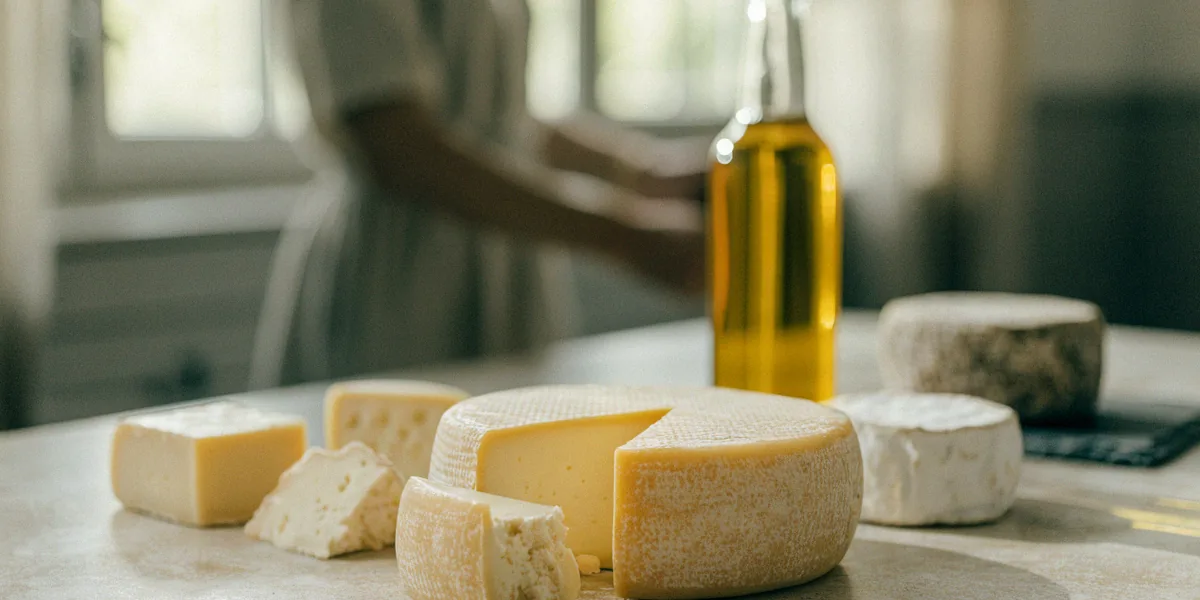
Stand at any good Spanish cheese counter and you’ll spot the familiar wheels of Manchego stacked at eye level. Look a little further along, though, and things get far more interesting: pale wedges of smoky Idiazábal, paprika-dusted Majorero, wine-washed Murcia al Vino and foil-wrapped Torta del Casar. That’s the moment it clicks. Manchego may be Spain’s most famous cheese, but over 100 varieties are protected, and most of them never make it into the average UK shopping basket. We think that’s a shame worth fixing.
Why Spanish Cheese Deserves More Attention
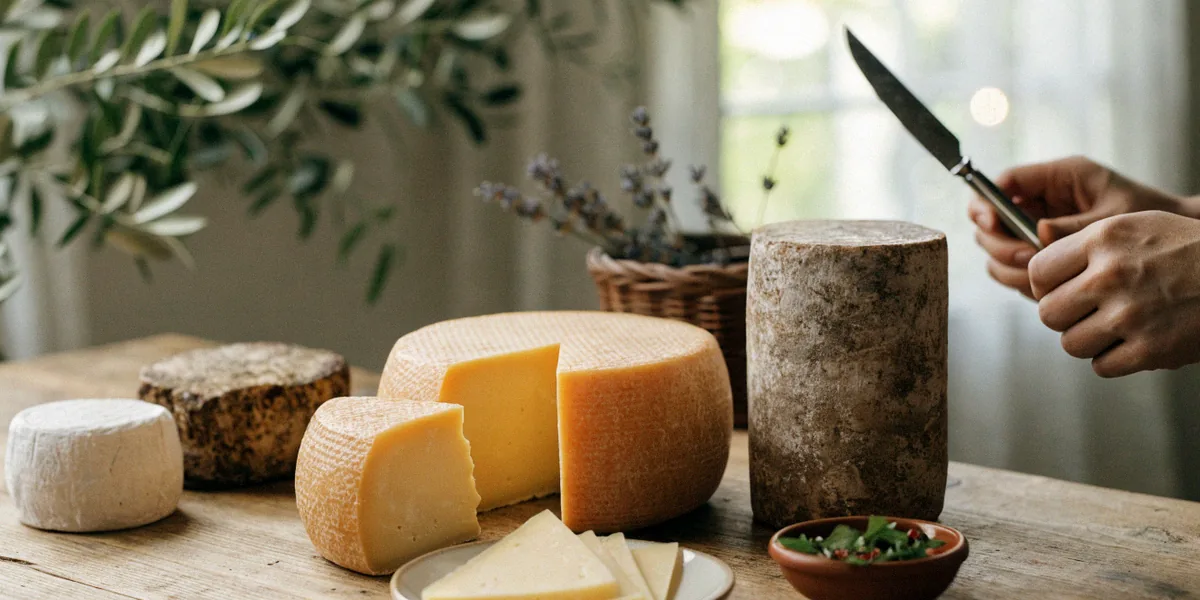
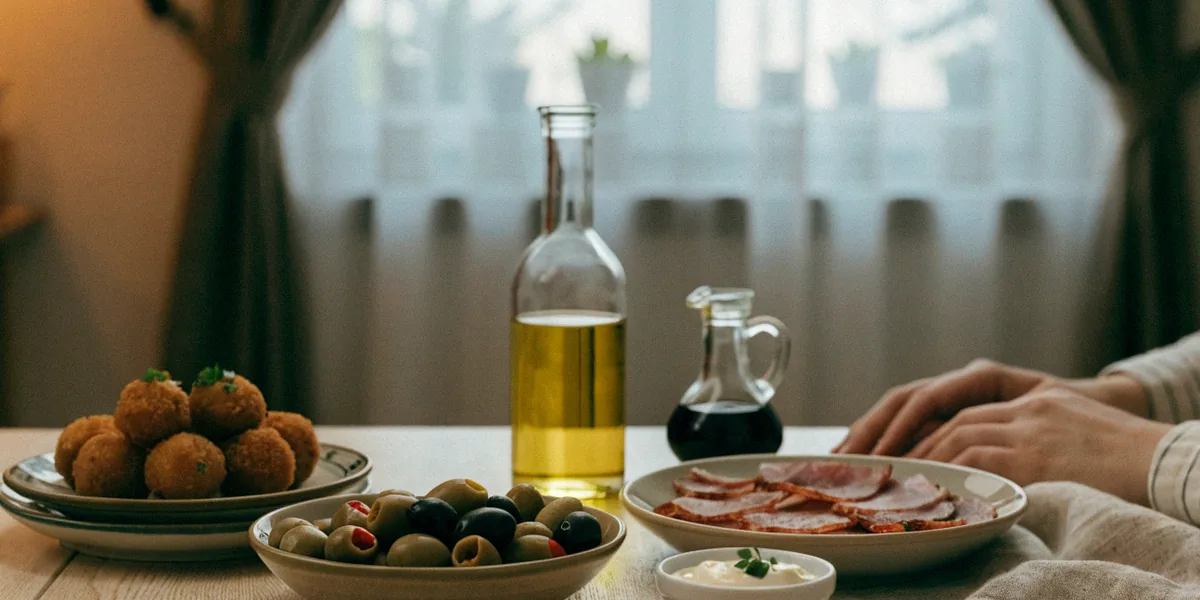
Spain has one of the most diverse cheesemaking traditions in Europe, shaped by mountains, plateaus, coastlines and islands that each produce distinct milk. Yet in Britain, Spanish cheese is often reduced to a single name. The country’s protected cheese list runs past the hundred mark, spanning sheep, goat, cow and mixed-milk styles, from fresh and milky to blue and fiercely pungent. Many of these cheeses pair beautifully with sherry vinegar, and they slot naturally into tapas recipes, whether you’re serving a simple plate of olives and chorizo or building something more ambitious.
The Diversity of Spanish Terroir
Geography does much of the work here. The Basque Country’s damp Atlantic climate gives us smoked Idiazábal. The arid plains of Castilla y León produce nutty Zamorano from Churra sheep. Navarra’s Pyrenean valleys yield tangy Roncal, while the volcanic landscapes of Fuerteventura shape Majorero. In Asturias, cave-aged Cabrales develops its blue veining in limestone caverns, and in Extremadura, Torta del Casar turns so creamy it’s eaten with a spoon. Each cheese tells you where it came from before you’ve read a single label.
How Spanish Cheese Fits UK Kitchens
You don’t need a dedicated cheese cave or a trip to Madrid. Spanish cheeses work across everyday British cooking. Grate Idiazábal over potatoes, crumble Cabrales into a steak sauce, or serve Torta del Casar warmed with crusty bread instead of a baked Camembert. A splash of sherry vinegar cuts through the richness of sheep’s milk cheeses and lifts a simple tomato salad into something that tastes properly Spanish. For home cooks building a tapas spread, these cheeses are the difference between a nice plate and a memorable one.
Sheep’s Milk Stars: Idiazábal, Zamorano and Roncal
Sheep’s milk is the backbone of Spanish cheesemaking, and these three are our go-to recommendations for anyone moving beyond Manchego. They range from smoky to nutty to sharp, and all three reward a little attention at the table. Serve them with Membrillo (quince paste) or a drizzle of sherry vinegar and you have a pairing that works as well at a dinner party as it does on a quiet Tuesday night.
Idiazábal: The Smoky Basque Classic
Idiazábal is a smoked sheep’s milk cheese from the Basque Country, made with Latxa or Carranzana sheep’s milk and protected by its own DOP. Traditionally it was smoked over beech, birch or cherry wood, and that gentle smokiness is the signature. The texture is firm but yielding, with a slightly grainy bite and a flavour that sits somewhere between butter, hazelnut and campfire. Younger wheels are milder; aged versions turn sharper and more assertive. Try it shaved over a warm potato salad or alongside a glass of dry sherry.
Zamorano and Roncal: Nutty and Tangy
Zamorano comes from Castilla y León and is made from Churra sheep’s milk. It’s dense, nutty and slightly sweet, with a firm paste that grates well and melts evenly, making it a strong candidate for croquetas or a Spanish-style macaroni. Roncal, from Navarra, is the sharper of the two: tangy, slightly sheepy and firm enough to slice thinly. Both work on a cheese board with Marcona almonds and a small dish of sherry vinegar for dipping. If you like Pecorino or aged Cheddar, Roncal will feel immediately familiar, just with a Spanish accent.
Goat’s Milk Gems: Majorero and Murcia al Vino
Goat’s cheese is where Spanish producers really stretch their legs, and these two are perfect examples. One comes from a volcanic island, the other is washed in red wine. Both are distinctive enough to anchor a tapas board and unusual enough to start a conversation. For UK home cooks who feel they’ve tried everything the supermarket chiller offers, these are the cheeses to seek out.
Majorero: The Canary Island Treasure
Majorero is made on Fuerteventura from the milk of the Majorera goat, and it’s often rubbed with paprika or gofio (toasted maize flour), giving the rind a rusty, earthy appearance. The paste is firm and slightly acidic, with a nutty, almost savoury finish. Younger versions are mild enough to slice and eat plain; older ones firm up and intensify. It’s excellent grated over roasted vegetables or cubed into a salad with oranges and red onion.
Murcia al Vino: The Drunken Goat
Murcia al Vino is a goat’s cheese washed in red wine during ageing, which stains the rind a deep burgundy and lends the paste a gentle fruity note. The texture is semi-firm and smooth, and the flavour is mild, creamy and slightly tangy, making it one of the most approachable Spanish goat cheeses for newcomers. It’s a natural fit for tapas recipes: slice it onto toast, pair it with Membrillo, or melt it over peppers. The wine-washed rind is edible, so there’s no waste.
Blue and Mixed-Milk Marvels: Cabrales, Valdeón and Torta del Casar
This is the deep end of the Spanish cheese pool, and we mean that as a compliment. These cheeses are bold, pungent and, in one case, spoonable. They’re the ones that make a Spanish cheese board feel genuinely different from a French or Italian spread, and they’re increasingly easy to find in UK delicatessens and online food hampers.
Cabrales and Valdeón: Bold Blues
Cabrales is a blue cheese from Asturias, often made with cow, sheep, and goat milk, and aged in natural limestone caves where the cool, damp air encourages blue veining. It’s intense, salty and sharp, with a creamy yet crumbly texture. Valdeón, from Castilla y León, is similar in style but typically made with cow and goat milk, giving it a slightly milder, creamier profile. Both are excellent crumbled over a steak, stirred into a cream sauce, or served with a drizzle of honey and a few Marcona almonds.
Torta del Casar: The Spoonable Surprise
Torta del Casar is a creamy, spreadable cheese from Extremadura, made with raw sheep’s milk and thistle rennet, which gives it a distinct, slightly bitter edge. The rind is firm but the inside is molten, and the traditional way to eat it is to slice off the top and spoon out the middle. Warm it briefly, serve with crusty bread and a glass of sherry, and you have one of the most memorable cheese experiences Spain offers. It’s also a brilliant substitute for baked Camembert at a dinner party.
How to Build a Spanish Cheese Board with UK Ingredients
You don’t need a specialist import budget to build a proper Spanish cheese board. Most of what you need is available in UK supermarkets, delis and online. The trick is balance: something smoky, something nutty, something tangy, something blue, and a few accompaniments that tie it all together.
Choosing Accompaniments
Keep it simple and let the cheese lead. Our standard line-up includes:
- Membrillo (quince paste), sliced thinly to sit on top of sheep’s milk cheeses
- Marcona almonds, lightly salted or fried in olive oil
- A small dish of sherry vinegar for dipping or drizzling
- Good olive oil, ideally a Spanish picual or arbequina
- Fresh bread or picos (small Spanish breadsticks)
- Olives, ideally Gordal or Manzanilla
- A few slices of jamón ibérico or chorizo for contrast
Arrange the cheeses from mildest to strongest so guests can work their way up. Leave them out of the fridge for at least half an hour before serving; cold mutes flavour, especially in the blue and sheep’s milk styles.
Sourcing in the UK
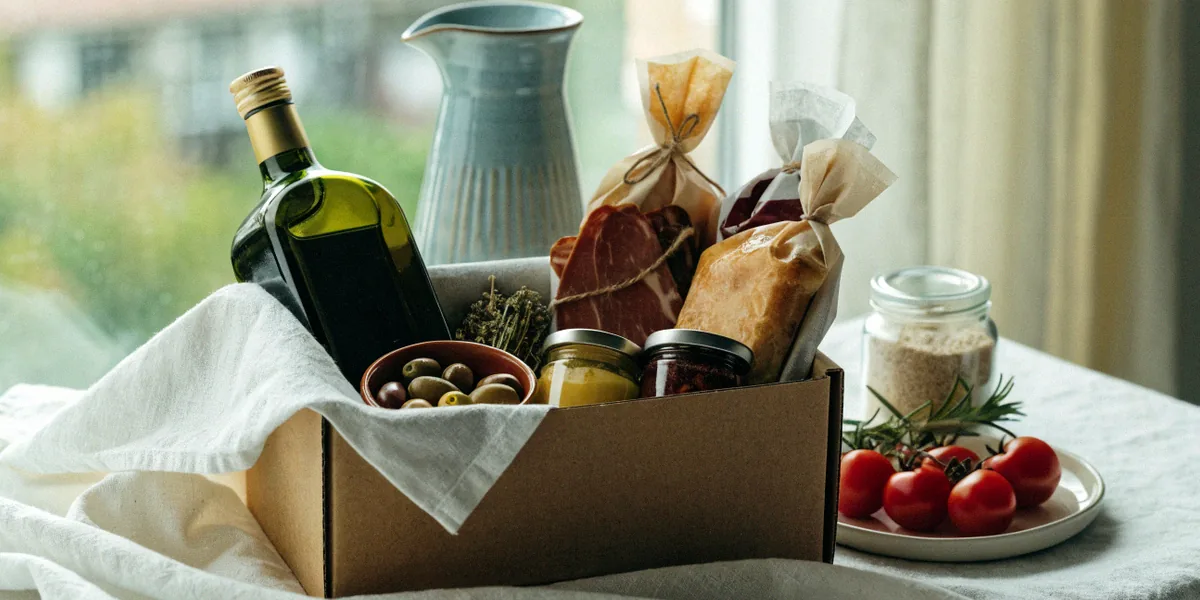
Spanish food hampers are a convenient shortcut if you want a curated selection without hunting down individual cheeses. Many UK retailers now offer themed hampers that combine cheese, sherry vinegar, olives and almonds in one box, which is ideal if you’re new to Spanish cheese or buying a gift. If you’d rather build your own selection, start with a smoky sheep’s milk cheese, a goat’s cheese and one blue, then add accompaniments to taste.
Where to Buy Spanish Cheese in the UK
The UK’s Spanish cheese scene has improved dramatically over the past decade. You no longer need to live in London to find a proper selection, though the capital still has the widest choice.
Online Retailers and Delis
UK retailers like Brindisa and Paxton & Whitfield stock Spanish cheeses, and both are reliable starting points. Brindisa has long been a champion of Spanish produce in Britain, while Paxton & Whitfield brings its cheesemonger expertise to a curated Spanish range. Beyond these, look for regional delis, farmers’ markets with a Spanish stall, and specialist online cheese shops that ship nationwide. Many will happily add a bottle of sherry vinegar to your order, which saves a second trip.
Food Hampers and Gift Ideas
Food hampers make excellent gifts for anyone who enjoys cooking or entertaining. A well-chosen Spanish hamper might include a wedge of Idiazábal, a small Torta del Casar, a jar of Membrillo, Marcona almonds and a bottle of sherry vinegar. It’s a complete tapas evening in a box, and it introduces recipients to cheeses they’d probably never pick up on their own. If you’re buying for yourself, a hamper is also a low-effort way to try several regional cheeses side by side.
FAQ
What is the most famous Spanish cheese?
Manchego is Spain’s most famous cheese, but over 100 varieties are protected, including Idiazábal, Cabrales, Roncal and Torta del Casar. Manchego is a great starting point, but it’s really just the beginning of what Spain produces.
Is Idiazábal always smoked?
Traditional Idiazábal is smoked over wood, which gives it its characteristic flavour. Some producers now make unsmoked versions, but the smoked style is the one most commonly exported and the one we’d recommend trying first.
What does Torta del Casar taste like?
Torta del Casar is creamy, rich and slightly bitter, thanks to the thistle rennet used in production. It’s made from raw sheep’s milk in Extremadura and is traditionally eaten by slicing off the top and spooning out the soft interior.
Where can I buy Spanish cheese in the UK?
UK retailers like Brindisa and Paxton & Whitfield stock Spanish cheeses, and many online delis ship nationwide. Food hampers are another good option if you want a curated selection delivered to your door.
What should I pair with Spanish cheese?
Membrillo, Marcona almonds, olives and a drizzle of sherry vinegar are all classic pairings. For drinks, dry sherry, Rioja or a crisp Spanish white work well across the range of sheep, goat and blue cheeses.
Exploring Spanish cheese beyond Manchego opens up a world of flavour that most UK shoppers never get to taste. From the smoke of Idiazábal to the spoonable richness of Torta del Casar, each cheese carries a sense of place. Seek them out at your local deli, order from a specialist online retailer, or start with a Spanish food hamper and work your way through. Once you’ve tried a few, we suspect Manchego will start to feel like the opening chapter rather than the whole story.

Post Comment