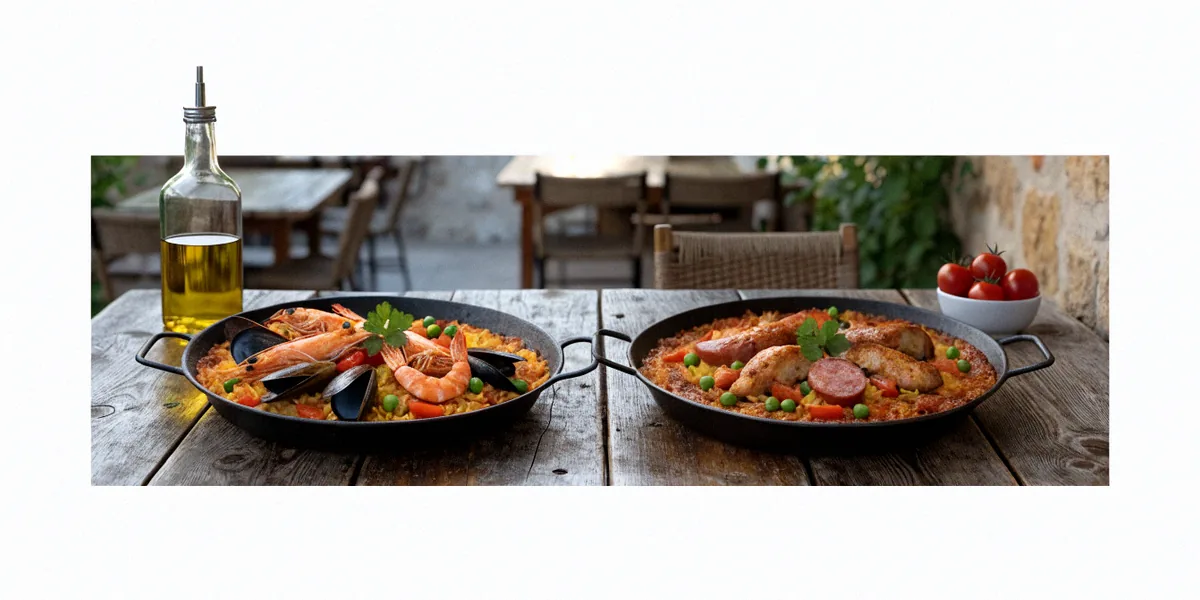
Paella: Regional Styles Compared
Our team’s first proper paella experience happened in a bustling plaza in Valencia, sat at a wobbly table with a jug of horchata and a pan the size of a bicycle wheel. We expected rice with seafood. What arrived was rabbit, chicken and a scattering of snails, cooked over orange wood in the open air. That single meal sent us on a years-long quest to understand why paella tastes so different from one Spanish region to the next — and how UK home cooks can recreate those regional variations in their own kitchens.
Valencia: The Birthplace of Paella
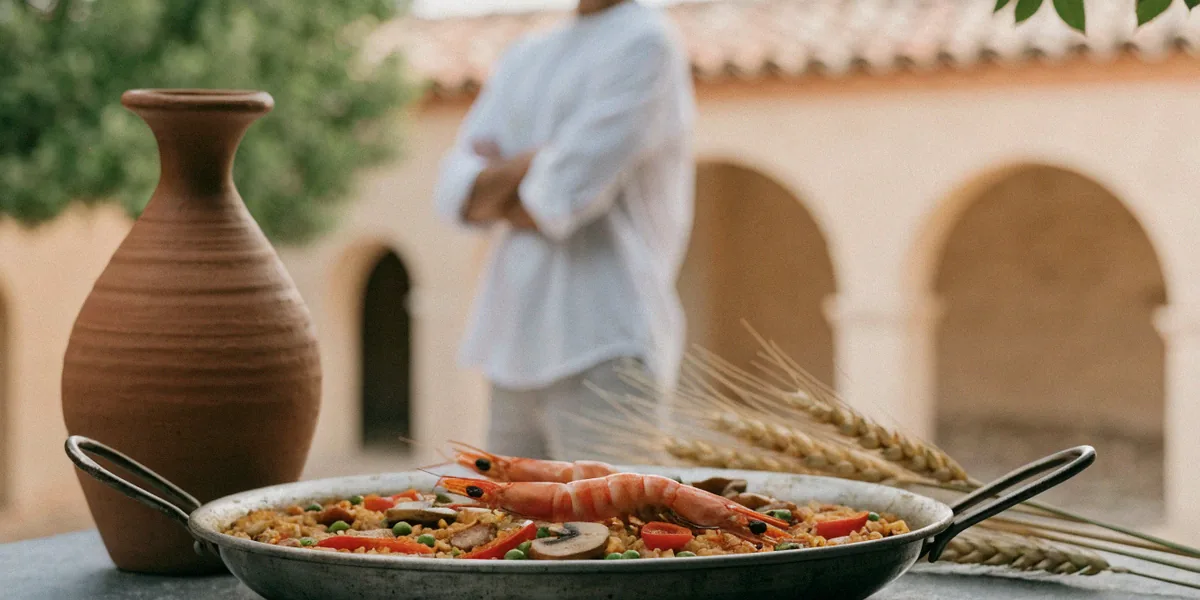
Valencia is where paella began, and locals are protective of that heritage. The original recipe has nothing to do with prawns or chorizo. It is farmland food: rabbit, chicken, sometimes snails, cooked with beans and rice in a wide, shallow pan over a fire. If you want to cook the authentic version, start here.
For the rice, we recommend bomba rice from Calasparra. This short-grain variety absorbs roughly three times its volume in liquid without turning mushy, which is exactly what a proper paella needs. Pair it with the widest paella pan your hob or burner can handle — a thin layer of rice is essential for even cooking.
Traditional Ingredients: Rabbit, Chicken and Snails
The Valencian classic, often called paella valenciana, uses bone-in rabbit and chicken, cooked down until the meat is tender and the juices flavour the rice. Snails (caracoles) are traditional but optional for most UK cooks — you can often find them frozen or tinned from specialist Spanish grocers. Flat green beans (ferradura) and butter beans (garrofó) round out the dish, along with a grated tomato and paprika base known as sofrito.
The Importance of Socarrat
Socarrat is the crispy, caramelised layer of rice that forms at the bottom of the pan. In Valencia, it is the mark of a well-made paella — diners actually compete for the best bits. To achieve it, resist stirring once the rice goes in, and turn up the heat briefly at the end until you hear a faint crackling. If it smells like burning rather than toasting, pull the pan off immediately.
Cooking Over Open Fire
Traditional paella is cooked over an open fire, often using orange wood or vine cuttings, which impart a subtle smokiness. At home, a gas paella burner gets you close: it spreads heat evenly across the base of a wide pan and gives you precise control over the final blast of heat for the socarrat. If you are cooking indoors, a large hob ring and a heavy pan will do the job, though you may need to rotate the pan regularly.
Seafood Paella: A Coastal Variation
Head to the coast — Galicia, Catalonia, or the Valencian shoreline itself — and paella shifts to the sea. Seafood paella (paella de marisco) swaps rabbit and chicken for prawns, mussels and squid, and relies on a good fish stock rather than meat juices for its depth. We suggest using fresh UK-caught seafood where possible, plus a homemade or high-quality fish stock.
Key Seafood Choices
- Prawns: Large, shell-on prawns give the most flavour; langoustines are a luxurious upgrade.
- Mussels: Native or rope-grown UK mussels work beautifully and open quickly in the pan.
- Squid: Rings or small whole squid, added early so they tenderise rather than turn rubbery.
- Clams: Almejas add brininess; discard any that stay shut after cooking.
Using Fish Stock for Depth
The broth is where seafood paella lives or dies. A proper fumet made from fish bones, prawn shells, onion, fennel and a splash of white wine will give you a far richer result than a stock cube. Add a pinch of saffron to the warm stock before it goes into the pan so the colour and aroma distribute evenly.
Avoiding Overcooked Seafood
Seafood cooks fast. Add mussels and clams in the final few minutes, once the rice has absorbed most of the liquid, and lay prawns on top so they steam rather than boil. Squid is the exception — it benefits from a longer, gentler cook. If you are using cooked prawns, add them only in the last sixty seconds to warm through.
Mixed Paella: The Best of Both Worlds
Mixed paella (paella mixta) combines meat and seafood and is the version most commonly found in tourist areas and on UK restaurant menus. Purists in Valencia may frown, but done well it is a genuinely satisfying dish. Our advice is to balance the flavours carefully, using Spanish chorizo and smoked paprika rather than letting one ingredient dominate.
Balancing Meat and Seafood
Start with chicken thigh and a little chorizo to build a savoury base, then finish with prawns and mussels. Avoid adding too many proteins — three or four is plenty. The rice should still be the star, not a dumping ground for the fridge.
The Role of Chorizo and Paprika
Chorizo is not traditional in Valencian paella, but it is common in mixed versions and adds a welcome smoky depth. La Chinata smoked paprika is a popular brand in the UK and a reliable choice for the sofrito — a teaspoon of the sweet (dulce) version goes a long way. Add it off the heat so it doesn’t scorch and turn bitter.
Common Mistakes to Avoid
- Stirring the rice after adding the broth — this releases starch and creates a risotto-like texture.
- Using the wrong rice — long-grain varieties simply don’t behave the same way.
- Overloading the pan — a thin, even layer of rice is essential.
- Adding cold stock — warm it first so the cooking temperature doesn’t drop.
Vegetarian Paella: A Modern Twist
Vegetarian paella has grown steadily in popularity across the UK, and for good reason. Artichokes, beans and peppers make a hearty, colourful dish that still feels authentically Spanish. We recommend finishing with a drizzle of sherry vinegar for a tangy lift and using a good Spanish olive oil as your cooking base.
Choosing the Right Vegetables
Artichoke hearts, butter beans, flat green beans, roasted red peppers and a little grated tomato all work well. Add firmer vegetables early so they soften, and delicate ones like peas right at the end. A handful of chopped parsley just before serving brightens everything.
Adding Depth with Sherry Vinegar
Without meat or seafood, vegetarian paella can taste a little flat. A teaspoon of sherry vinegar stirred through the sofrito, or drizzled over at the table, adds authentic tang and complexity. Look for aged varieties — the difference is noticeable.
Serving Suggestions
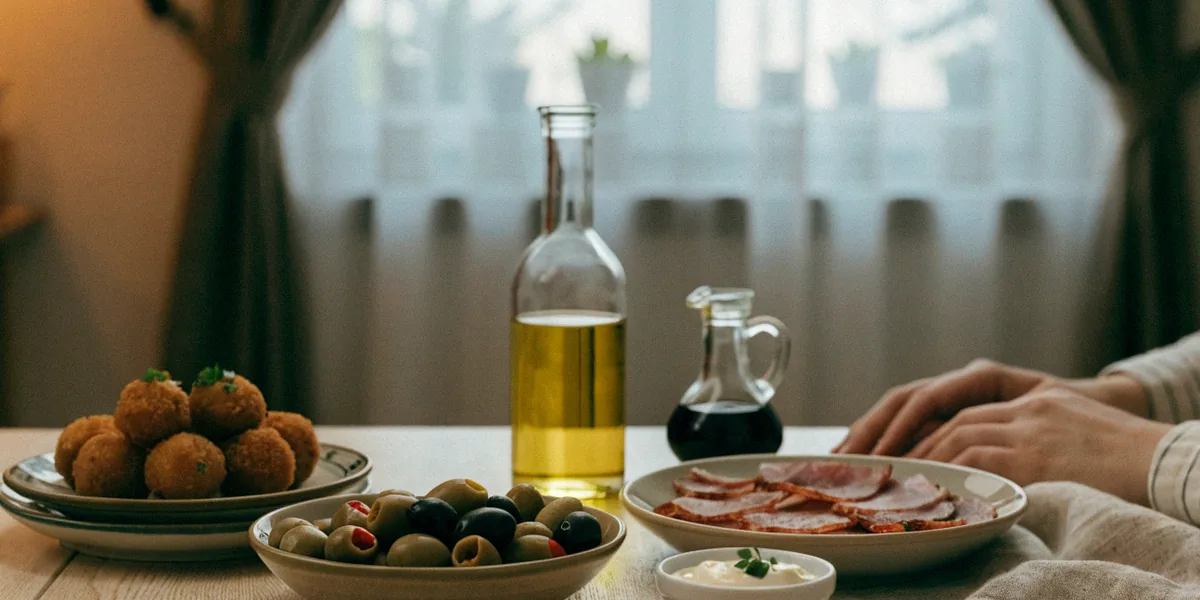
Serve vegetarian paella with a simple green salad dressed in olive oil and lemon, a wedge of Spanish cheese such as Manchego, and a glass of dry sherry or a light red. It also works beautifully as part of a tapas spread alongside olives, almonds and pan con tomate.
Key Ingredients for Authentic Paella
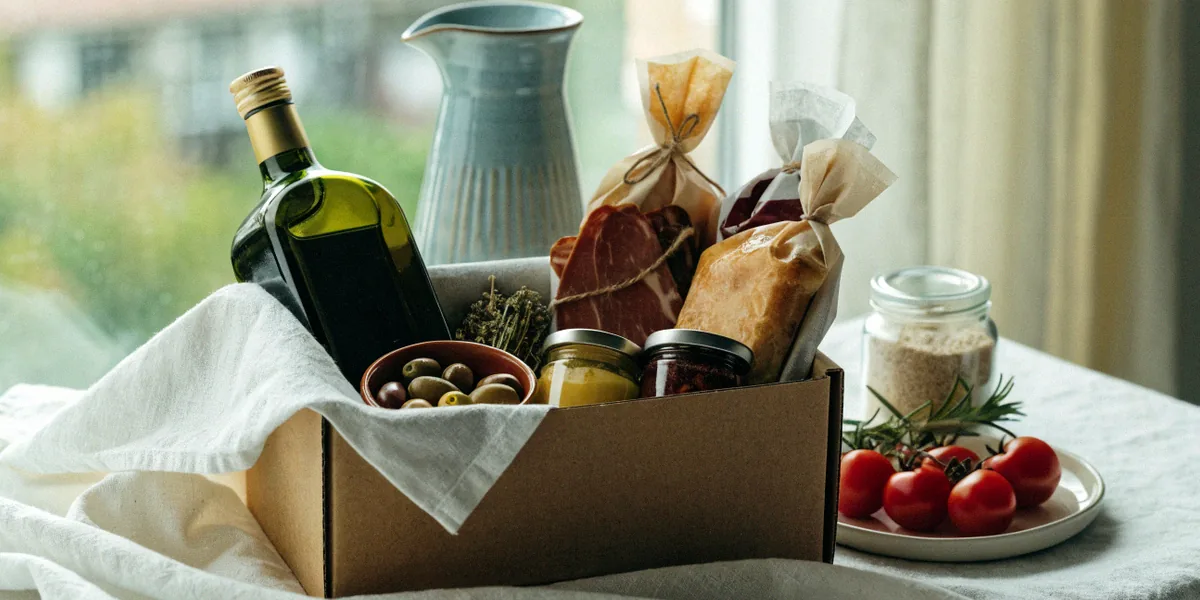
Great paella comes down to a handful of essentials: the right rice, good saffron, proper olive oil and a well-made broth. We source many of ours from Brindisa, a long-standing UK supplier of Spanish ingredients, and use a paella pan from The Tapas Lunch Company.
Rice: Bomba vs. Calasparra
Both bomba and Calasparra rice are excellent choices, and both carry protected status in Spain. Bomba is the more forgiving of the two — it holds its shape even if you overcook it slightly. Calasparra tends to be a little firmer and nuttier. Either will give you a far better result than standard supermarket rice.
Saffron and Spices
Saffron is what gives paella its signature golden colour and floral aroma. Use a generous pinch, steeped in warm stock for a few minutes before adding. Sweet smoked paprika and a little fresh garlic complete the flavour base.
Olive Oil and Broth
Use a good Spanish extra virgin olive oil for the sofrito — it should taste peppery and fresh. For the broth, homemade is always best, but a quality shop-bought stock is a perfectly respectable shortcut on a weeknight.
Tips for Perfect Paella at Home
We have cooked a lot of paella, and most problems come down to equipment and technique rather than ingredients. Here are the tips we return to every time.
Choosing the Right Pan
A wide, shallow paella pan is non-negotiable. For UK cooks without a large hob, a paella burner from Sous Chef is a worthwhile investment — it spreads heat evenly and lets you cook outdoors. Season a carbon steel pan before first use and dry it thoroughly after washing.
Cooking Techniques
Build your sofrito slowly, add warm stock, then scatter the rice in an even layer. After that, do not stir. Rotate the pan occasionally if your heat source is uneven, and listen for the crackle that signals socarrat forming.
Resting and Serving
Once off the heat, cover the pan loosely with a clean tea towel and rest for five minutes. This lets the rice settle and finish absorbing. Serve straight from the pan with lemon wedges and plenty of crusty bread.
FAQ
What is the best rice for paella?
Bomba rice from Calasparra is prized for paella because it absorbs large amounts of liquid without turning sticky or mushy. Calasparra rice is a close second and slightly firmer in texture.
What is socarrat and why does it matter?
Socarrat is the crispy layer of rice at the bottom of the pan. It is considered the mark of a well-cooked paella and adds a toasted, caramelised flavour and texture.
Can I make paella without a special pan?
You can, but a wide, shallow pan is important for an even layer of rice. If you cook paella regularly, a dedicated paella pan or burner — available from UK suppliers like Sous Chef — makes a real difference.
Where can I buy Spanish ingredients in the UK?
Brindisa is one of the best-known UK suppliers of Spanish ingredients, including rice, paprika and olive oil. La Chinata smoked paprika is also widely stocked in supermarkets and online.
Is chorizo traditional in paella?
Not in the original Valencian recipe, which uses rabbit, chicken and sometimes snails. Chorizo is more common in mixed paella and adds a smoky depth, but use it sparingly so it doesn’t overpower the dish.
Paella is one of those dishes that rewards practice. Start with a Valencian classic, try a seafood version on a Friday night, then experiment with a vegetarian pan midweek. Each region of Spain has its own story, and each one teaches you something new about rice, heat and patience. Cook it often, share it with friends, and tell us how you get on — we would love to hear your own paella stories.

Post Comment