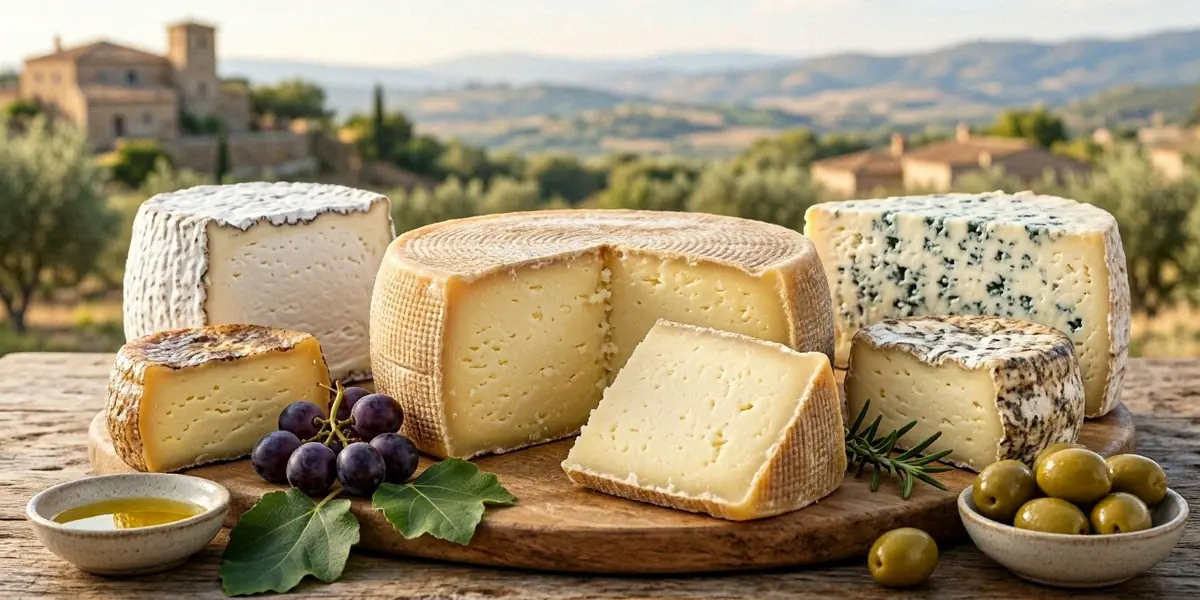
Spanish Cheese Beyond Manchego: A Beginner’s Guide
We have a confession to make. For years, our idea of Spanish cheese began and ended with Manchego. It was the safe order at every tapas bar, the familiar wedge on every deli counter, and the only name we could confidently pronounce. That all changed on a rainy Tuesday evening in a small London tapas bar, when a plate arrived with three cheeses we had never heard of — a smoky Basque number, a blue so fierce it made Stilton feel shy, and a creamy Extremaduran cheese we ended up scooping out with a spoon. We went home determined to learn more, and this guide is the result. If you have ever stood in front of a deli counter wondering what lies beyond that familiar yellow wedge, this one is for you.
Why Spanish Cheese Deserves a Place in Your Kitchen
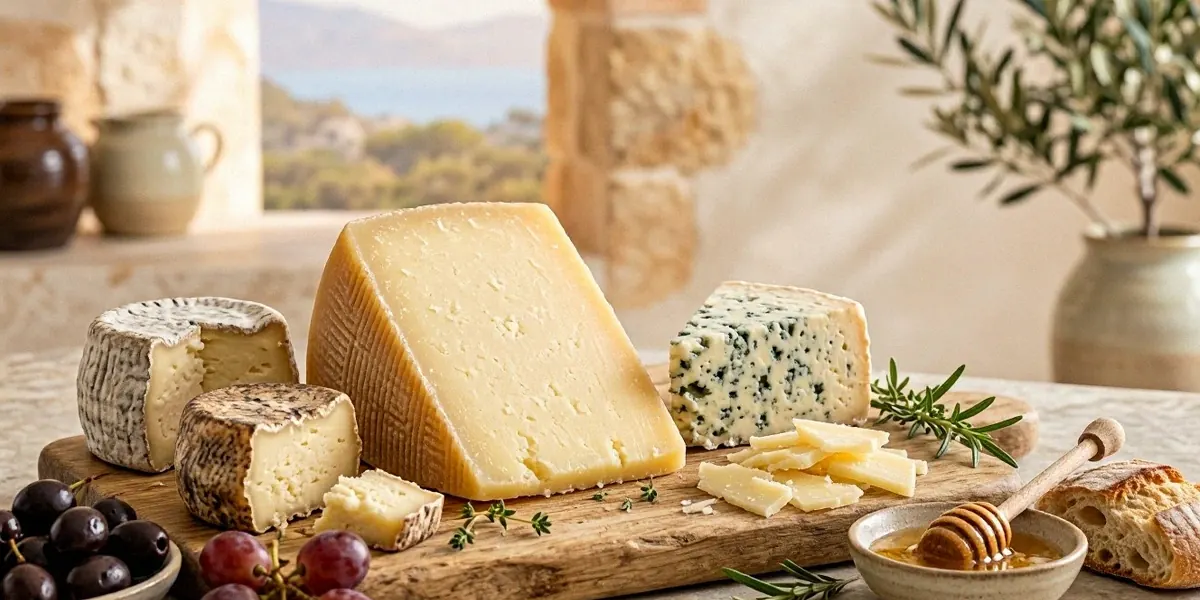
Spain produces well over 100 varieties of cheese, and more than 25 of them carry protected designation of origin (PDO) status. That is a staggering range for a country we in the UK tend to associate with just one cheese. The good news is that British supermarkets, delis, and online specialists have caught on. You no longer need a flight to Madrid to build a proper Spanish cheese selection — a decent shop in most UK cities will now stock a handful of regional varieties, and online retailers will deliver the rest to your door.
Spanish cheese also happens to be the perfect partner for tapas at home. These are cheeses built for sharing: firm wedges to slice, creamy pots to spread, and punchy blues to crumble over bread. They work alongside cured meats, olives, and a glass of something cold without demanding a formal cheese course.
The Diversity of Spanish Cheese
What makes Spanish cheese so interesting is how closely it is tied to geography. Sheep graze the high plateaus of Castile and La Mancha, goats roam the arid south and the Canary Islands, and cows thrive in the greener north and the Balearics. The result is a cheese map with wildly different personalities: firm and nutty in the centre, smoky and dense in the Basque Country, blue and bold in Asturias, and soft and spoonable in Extremadura. Milk type, altitude, breed, and ageing method all leave their mark.
How to Buy Spanish Cheese in the UK
UK stockists like Brindisa and La Fromagerie offer a wide range of Spanish cheeses, and both are excellent starting points whether you shop in person or online. Supermarkets have improved too — Waitrose and Ocado regularly carry Manchego, Idiazábal, and Mahón, while larger delis often stock Cabrales and Torta del Casar. A few tips before you buy:
- Check the milk type on the label — sheep, cow, and goat’s milk cheeses behave very differently on a board.
- Look for PDO logos, which guarantee the cheese was made in its traditional region to defined methods.
- Buy smaller pieces of more cheeses rather than one large wedge — variety is the whole point.
- Ask the counter staff when something was cut; firmer cheeses fade quickly once wrapped.
The Big Three: Manchego, Idiazábal, and Cabrales
If you are building your knowledge from scratch, start with the trio that appears most often on UK menus. Between them they cover the three main styles you will encounter: firm sheep’s milk, smoked sheep’s milk, and blue.
Manchego: The Gateway Cheese
Manchego is a PDO sheep’s milk cheese from La Mancha, made from the milk of Manchega ewes and aged for anywhere between two months and over a year. Young versions are mild, springy, and slightly tangy; older ones turn darker, firmer, and distinctly nutty with a hint of caramel. The rind’s distinctive zigzag pattern comes from the traditional esparto grass moulds. It is the friendliest entry point into Spanish cheese and the one most likely to win over a sceptic.
Idiazábal: The Smoky Basque Star
Idiazábal is a smoky Basque sheep’s milk cheese, often smoked over beechwood, which gives it a deep, campfire aroma and a dense, chewy texture. It is made from the milk of Latxa and Carranzana sheep in the Basque Country and Navarra. The unsmoked version exists and is worth trying, but the smoked one is what most of us picture — and it is superb with a glass of dry sherry or a light red.
Cabrales: Spain’s Blue Bombshell
Cabrales is a PDO blue cheese from Asturias, wrapped in maple leaves, and it does not hold back. Made from a blend of cow, sheep, and sometimes goat’s milk, it is aged in natural limestone caves where the cool, humid air encourages intense blue veining. Expect a fierce, peppery, almost stinging flavour. A little goes a long way — crumble it over steak, stir it into a sauce, or serve it with something sweet to balance the heat.
Beyond the Famous: Other Spanish Cheeses to Try
Once you have worked through the big three, a whole second tier opens up. These are the cheeses that rarely make it onto mainstream menus but reward anyone willing to seek them out.
Torta del Casar: The Creamy Surprise
Torta del Casar is a creamy PDO sheep’s milk cheese from Extremadura, often served scooped. The rind forms a natural crust while the inside stays almost liquid, so the traditional approach is to slice off the top and spoon the paste straight onto bread. The flavour is rich, slightly bitter, and faintly artichoke-like thanks to the cardoon thistle used to coagulate the milk. If you serve one cheese that gets people talking, make it this one.
Mahón: The Balearic Crowd-Pleaser
Mahón comes from Menorca in the Balearic Islands and is one of the few Spanish cheeses made with cow’s milk. It is rubbed with olive oil and paprika, which gives the rind its characteristic orange hue. Young Mahón is mild, salty, and slightly tangy — genuinely hard to dislike — while aged versions turn firmer and more savoury. It melts beautifully, so it is a good choice for cooking as well as boards.
Zamorano: The Nutty Sheep’s Milk Cheese
Zamorano is a PDO sheep’s milk cheese from Castile and León, made from Churra and Castellana ewes. It is firm, dense, and intensely nutty, with a slightly sharp finish that intensifies with age. Think of it as Manchego’s more serious older cousin — excellent grated over pasta, shaved over salads, or eaten in thick slices with a drizzle of honey.
How to Enjoy Spanish Cheese: Pairings and Serving Tips
Spanish cheese is designed to be eaten with other things, not in isolation. The classic accompaniments are simple, inexpensive, and available in most UK supermarkets.
Classic Pairings: Membrillo, Almonds, and Olives
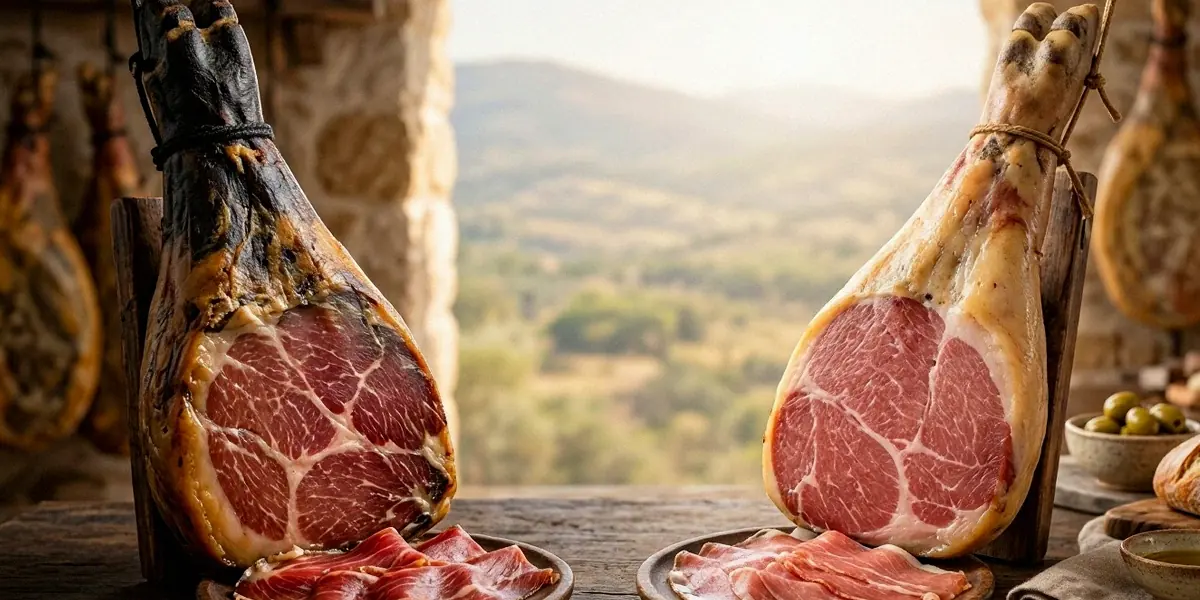
Membrillo — quince paste — is the single best investment you can make for a Spanish cheese board. Its sweet, firm, slightly grainy texture cuts through salty sheep’s milk cheeses beautifully. Marcona almonds, richer and rounder than standard almonds and usually sold roasted and salted, add crunch. Spanish olives, particularly large green varieties like Manzanilla, bring the brine and salt that blue cheeses love. Jamón ibérico is a classic companion too — the nutty, acorn-fed depth of a good ibérico works alongside almost every cheese on this list.
Wine and Sherry Matches
Sherry is the traditional partner and, in our view, still the best. A dry fino or manzanilla with Manchego and Mahón, an amontillado with Idiazábal, and a sweet Pedro Ximénez with Cabrales is a combination that will change how you think about both drinks. If sherry is not your thing, a young Rioja or a crisp cava will do the job nicely — cava in particular is excellent with creamy cheeses like Torta del Casar.
Building a Spanish Cheese Board for Tapas at Home
A good Spanish board is about balance, not volume. Three to five cheeses is plenty for four people, especially when you add charcuterie and accompaniments.
Choosing Your Cheeses
Aim for a mix of milk types and textures. One firm sheep’s milk cheese, one smoked or blue for punch, one creamy or spreadable option, and one cow’s or goat’s milk cheese for contrast gives you a board that keeps people interested. A simple formula:
- One firm sheep’s milk cheese — Manchego or Zamorano.
- One smoky or blue cheese — Idiazábal or Cabrales.
- One creamy cheese — Torta del Casar.
- One crowd-pleaser — Mahón.
- Charcuterie — a few slices of jamón ibérico.
- Finishing touches — membrillo, Marcona almonds, and Spanish olives.
Arranging and Presenting
Take cheeses out of the fridge at least 30 minutes before serving — cold mutes flavour badly. Cut firm cheeses into thin triangles and leave creamy ones whole with a small spoon alongside. Space everything out rather than crowding the board, and put the jamón ibérico on a separate plate so it does not sweat against the cheese. Source your ingredients from UK specialists like Brindisa or La Fromagerie if your local shops fall short; both stock a wide range of Spanish cheeses and will advise on what is drinking well right now.
Exploring Spanish cheese beyond Manchego is one of the easiest ways to upgrade your tapas nights at home. These cheeses are more available in the UK than ever, they pair with affordable everyday ingredients, and each one tells you something about the region it comes from. Start with one new cheese next time you shop, and see where it takes you.
FAQ
What is the most popular Spanish cheese?
Manchego is by far the most widely known and exported Spanish cheese, and it is usually the first one UK shoppers try. That said, Idiazábal and Cabrales have loyal followings and are increasingly easy to find in British delis.
Is Manchego the same as Spanish sheep’s cheese?
No — Manchego is one specific PDO sheep’s milk cheese from La Mancha. Spain makes many other sheep’s milk cheeses, including Zamorano, Idiazábal, and Torta del Casar, each with its own region, breed, and production method.
Where can I buy Spanish cheese in the UK?
UK stockists like Brindisa and La Fromagerie offer a wide range of Spanish cheeses. Waitrose, Ocado, and larger independent delis also carry a good selection, and online specialists will deliver nationwide.
What should I serve with Spanish cheese?
Membrillo (quince paste), Marcona almonds, Spanish olives, and jamón ibérico are the classic companions. For drinks, dry sherry works brilliantly with firmer cheeses, while sweet Pedro Ximénez is a superb match for Cabrales.
How long does Spanish cheese last once opened?
Firm cheeses like Manchego and Zamorano keep for two to three weeks wrapped in wax paper in the fridge. Creamy cheeses such as Torta del Casar and blues like Cabrales are best eaten within a week of opening.



Post Comment