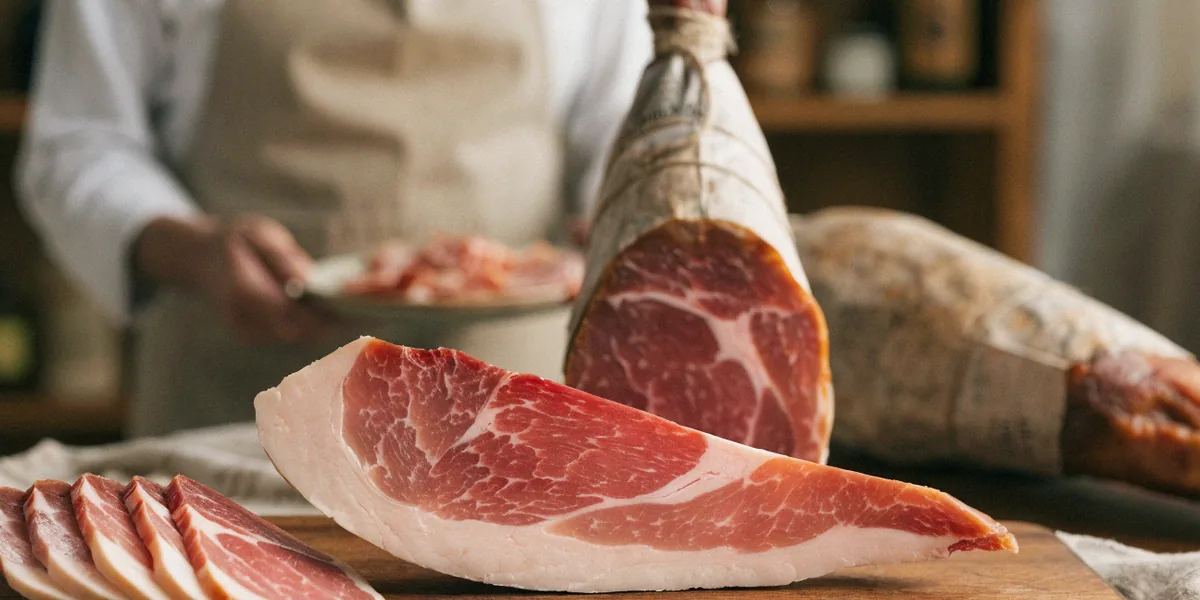
Jamón Ibérico Grades Explained: What Those Coloured Labels Really Mean
You’re standing in a UK deli — or scrolling through an online Spanish food shop — staring at packs of jamón Ibérico with price tags ranging from £15 to £150. They all look like thinly sliced cured ham. So what actually justifies a tenfold difference? We’ve asked ourselves the same question, and the answer comes down to a surprisingly strict colour-coded system that tells you exactly what you’re buying. Once you understand the labels, you’ll never feel confused in front of that deli counter again.
What Makes Jamón Ibérico Special?
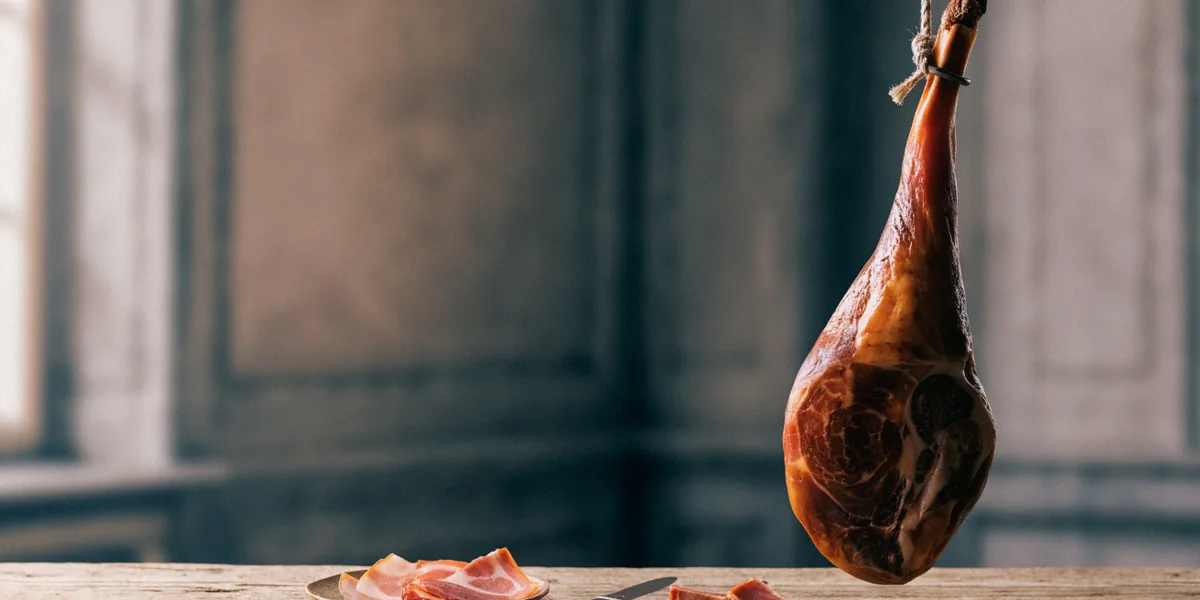
Not all cured Spanish ham is created equal. Jamón Ibérico comes from the Iberian pig, a breed native to the Iberian Peninsula with a genetic quirk that sets it apart from the white pigs used for standard jamón serrano. That quirk — the ability to store fat inside the muscle tissue rather than just under the skin — is what produces the famous marbling that gives Ibérico its silky texture and deep, nutty flavour.
The Ibérico Pig: A Breed Apart
The Iberian pig is a dark-hoofed, sturdy breed that has roamed southern and western Spain for centuries. Unlike intensively farmed pigs, authentic Ibérico pigs spend much of their lives outdoors, often in vast oak woodland. Their genetics allow them to accumulate intramuscular fat, which melts at room temperature and gives each slice that glossy, almost translucent appearance. This is why a good Ibérico ham needs no cooking, no sauce, and no adornment — the fat does the work.
From Dehesa to UK Tables: Why Terroir Matters
The dehesa — a unique ecosystem of holm oaks and cork oaks across regions like Extremadura, Salamanca, and Andalusia — is central to Ibérico production. The trees provide shade, forage, and, crucially, acorns. The soil, climate, and tree density of each dehesa influence the flavour of the final ham, much like terroir affects wine. When that ham reaches UK tables, whether via a Borough Market stall or an online order, it carries the character of that specific landscape with it.
The Four Official Grades: Black, Red, Green, White
Spain’s Ministry of Agriculture regulates jamón Ibérico with a colour-coded label system, and once you know it, shopping becomes far simpler. UK retailers like Brindisa and the specialist stalls at Borough Market in London often organise their shelves around these labels, so you can spot the grade at a glance.
Black Label: The Pinnacle of Jamón Ibérico
Black label (etiqueta negra) means 100% Ibérico breed, acorn-fed, and free-range. These pigs roam the dehesa freely and eat acorns during the montanera season. This is the rarest and most expensive grade, and the one that delivers that legendary sweet, nutty, melt-in-the-mouth experience.
Red Label: Acorn-Fed but Not Purebred
Red label (etiqueta roja) indicates acorn-fed ham from pigs that are a cross between Ibérico and Duroc breeds. The rearing conditions are similar to black label — free-range, acorn diet — but the breed purity is lower, which affects both flavour intensity and price.
Green Label: Field-Fed Freedom
Green label (etiqueta verde) means the pigs were raised free-range in the dehesa but fed a diet of grasses and compound feed rather than acorns. The result is a milder, less complex ham than the bellota grades, but still far superior to standard supermarket ham.
White Label: Grain-Fed Basics
White label (etiqueta blanca) is the entry-level grade. These pigs are typically raised in pens on a controlled grain diet. It’s the most affordable Ibérico, and while it lacks the depth of the higher grades, it’s still a step above most serrano hams and works well for cooking or everyday tapas.
Acorn-Fed vs Grain-Fed: What’s the Real Difference?
The single biggest factor separating a £15 pack from a £150 pack is diet — specifically, whether the pig ate acorns during the montanera. It’s not just marketing; it changes the fat composition, the flavour, and the texture of the meat in measurable ways.
The Montanera: Acorn Season in the Dehesa
The montanera season in Spain typically runs from October to February, when pigs forage freely among the oak trees, eating fallen acorns and gaining weight. Each pig can eat up to 10kg of acorns per day during this period. The oleic acid in acorns infiltrates the muscle fat, giving bellota hams their characteristic sweet, nutty flavour. Prestigious Spanish brands like Joselito and 5J (Cinco Jotas) are famous for their bellota hams, and their prices reflect the cost of this slow, seasonal process.
How Diet Affects Flavour and Texture
Acorn-fed hams have fat that is softer, more aromatic, and richer in oleic acid — the same healthy fat found in olive oil. Grain-fed hams have firmer fat and a more straightforward, savoury profile. Neither is “bad,” but they suit different occasions and budgets. For a special tapas board, bellota is worth the splurge. For a weeknight sandwich or a large gathering, a good cebo ham does the job beautifully.
How to Read the Label: Percentages and Breed Purity
Beyond the colour, labels also state the percentage of Ibérico breed and the cut. This is where things get slightly technical, but it’s worth knowing before you spend your money.
Jamón vs Paleta: Which Cut Should You Buy?
Jamón refers to the hind leg, which is larger, more uniform, and typically more expensive. Paleta is the front leg — smaller, slightly tougher in texture, but often excellent value. For UK home cooks new to Ibérico, a paleta is a great entry point: you get the same breed and diet at a lower price, and it’s easier to handle on a small kitchen counter.
Breed Purity: 50%, 75%, 100%
Labels also indicate breed purity. 100% Ibérico means both parents were pure Iberian pigs. 75% means one purebred grandparent line, and 50% is a first-generation cross with Duroc. Higher purity generally means more intense marbling and flavour. UK online shops like Jamonarium and Iberica list these details clearly, so you can compare before buying.
Tasting and Serving Jamón Ibérico at Home
You’ve bought your ham — now what? Serving it properly makes a real difference, and you don’t need a professional cortador to enjoy it.
Pairing Ideas: Sherry Vinegar, Cheese, and Wine
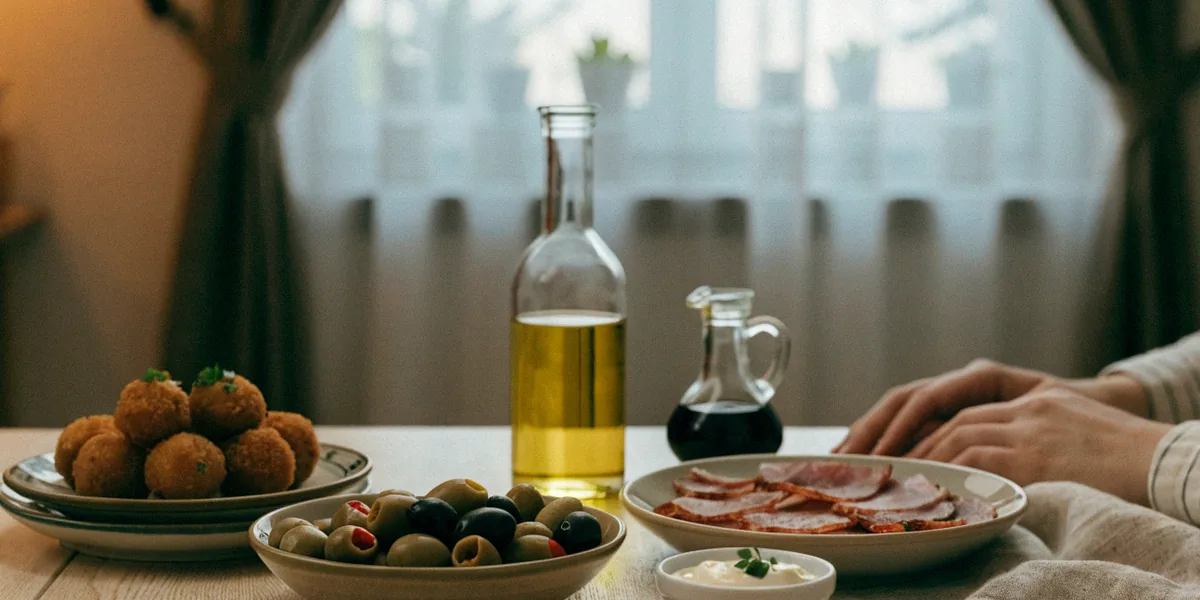
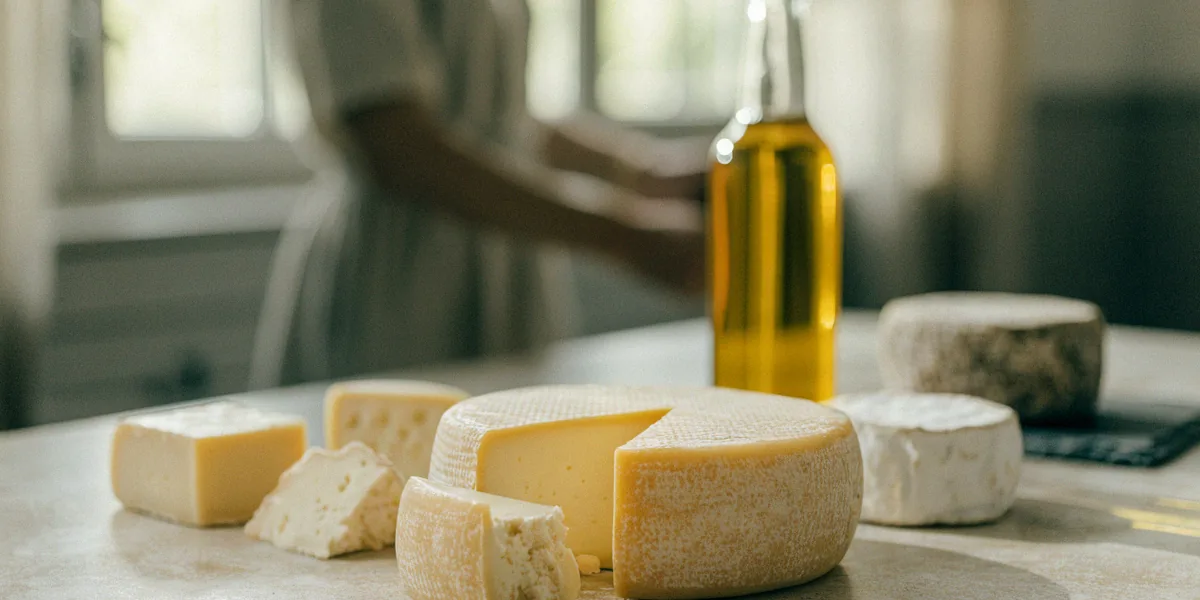
Jamón Ibérico loves acidity and salt. Sherry vinegar from Jerez is a classic pairing and is widely available in UK supermarkets — a few drops over the ham lifts the nutty notes beautifully. Serve alongside Manchego or other Spanish cheese, a handful of Marcona almonds, and a glass of dry sherry, Rioja, or cava. For a simple tapa, drape slices over pan con tomate — toasted bread rubbed with tomato, garlic, and olive oil.
Storage and Serving Tips for UK Kitchens
- Bring ham to room temperature for 15–20 minutes before serving — cold fat tastes flat.
- Slice as thinly as possible; if hand-carving a whole leg, use a long, flexible knife.
- Pre-sliced packs from UK delis are convenient and perfectly good for small households.
- Store pre-sliced ham in the fridge, wrapped tightly, and use within 2–3 days of opening.
- Never microwave or cook Ibérico — it’s meant to be eaten raw.
Where to Buy Jamón Ibérico in the UK
Fortunately for UK shoppers, authentic Ibérico is easier to find than ever. Brindisa is a well-known UK retailer specialising in Spanish foods, including jamón Ibérico, with shops in London and a strong online presence. Borough Market in London hosts stalls that sell authentic jamón Ibérico, often carved to order. Selfridges stocks premium brands, while online specialists like Jamonarium and Basco offer detailed product information and nationwide delivery.
Online vs High Street: Pros and Cons
Buying online gives you access to a wider range of grades, brands, and cuts, often at better prices — but you can’t see or smell the product first. High street delis let you taste before you commit and ask questions, but selection may be limited. We’d suggest trying both: start with a small pack from a local deli, then order a larger piece online once you know what you like.
Food Hampers and Gift Ideas
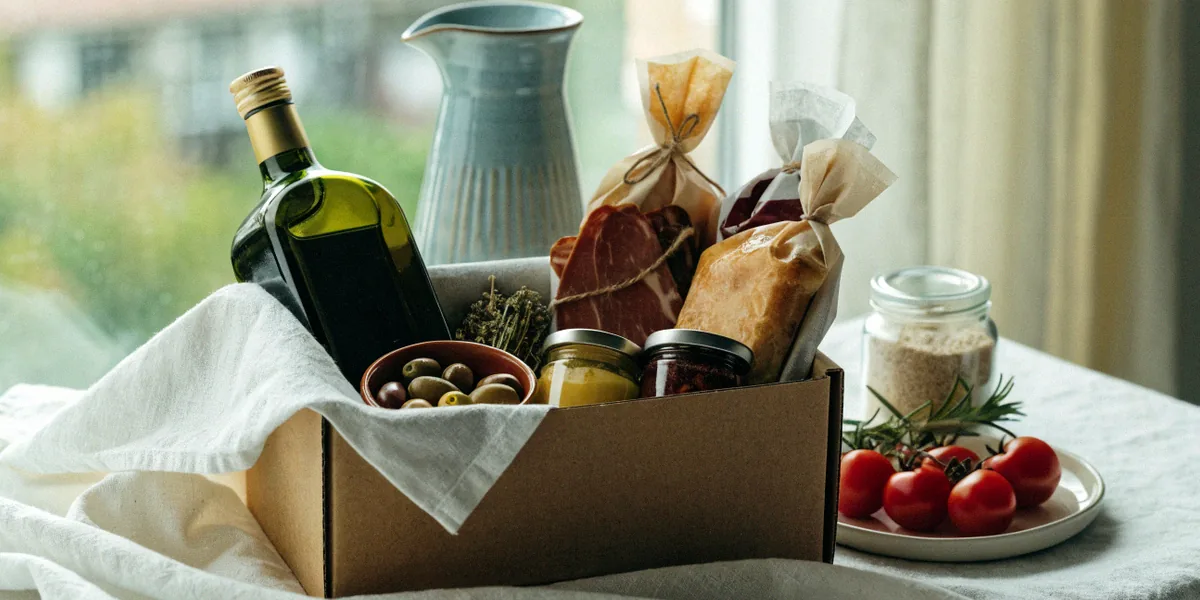
Food hampers featuring jamón Ibérico make excellent gifts, especially when paired with sherry vinegar, Spanish cheese, and olive oil. Many UK retailers offer curated Spanish food hampers at various price points, so you can put together a thoughtful present without hunting down individual items.
One word of caution: be wary of suspiciously cheap “Ibérico” products. If a pack claims to be bellota at £5, it almost certainly isn’t. Check the label for the colour grade and breed percentage before buying.
FAQ
What do the coloured labels on jamón Ibérico mean?
Black means 100% Ibérico, acorn-fed, and free-range. Red means acorn-fed but crossbred. Green means field-fed free-range. White means grain-fed and pen-raised. The colour system is regulated by Spain’s Ministry of Agriculture.
Is jamón Ibérico the same as jamón serrano?
No. Jamón Ibérico comes from the Iberian pig breed and is typically cured longer, with more marbling and a richer flavour. Jamón serrano comes from white pig breeds and is generally leaner and milder.
What is the montanera season?
The montanera is the acorn-foraging period in Spain, typically running from October to February, when Ibérico pigs roam the dehesa eating fallen acorns. Hams from pigs raised during this period are labelled “de bellota.”
Should I buy jamón or paleta?
Jamón (hind leg) is larger and more uniform; paleta (front leg) is smaller, cheaper, and a great entry point for home cooks. Both come in all four colour grades.
Where can I buy authentic jamón Ibérico in the UK?
Brindisa, Borough Market stalls in London, Selfridges, and online specialists like Jamonarium and Basco all stock authentic Ibérico. Look for the colour label and breed percentage on the packaging.
Understanding the four grades — black, red, green, and white — turns a confusing deli counter into a straightforward choice. Whether you’re after an everyday white-label paleta or a celebratory black-label bellota from Joselito or 5J, you now know exactly what you’re paying for. We’d encourage you to try a couple of different grades side by side; it’s the fastest way to find your personal favourite and get the most from every slice.

Post Comment