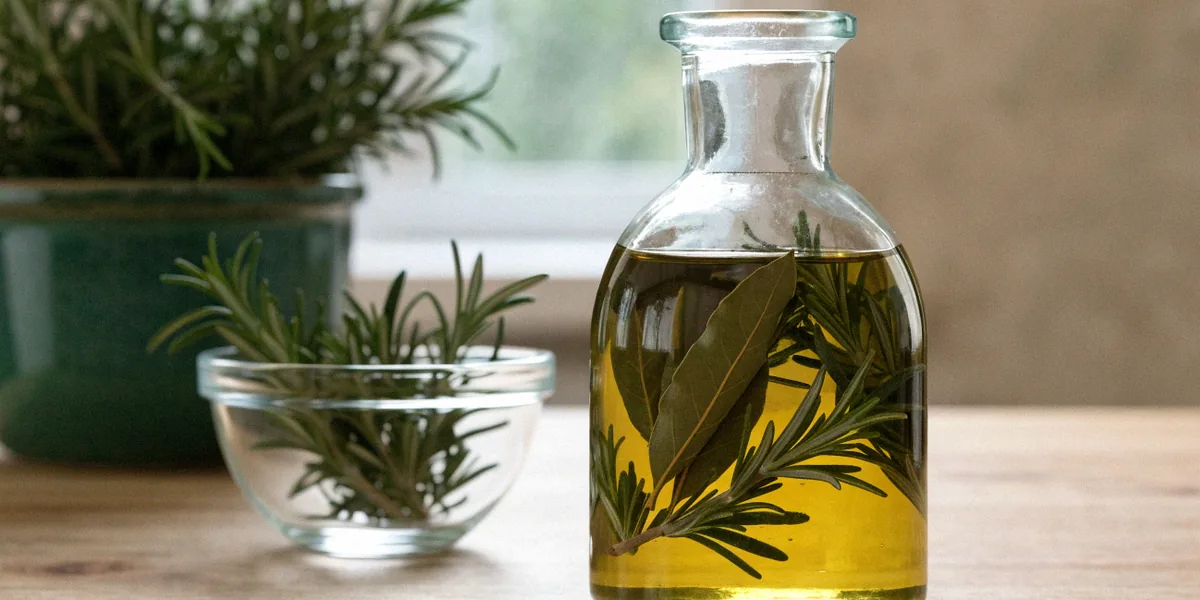
Infusing Olive Oil Safely: A Spanish Flavour Guide for UK Home Cooks
We still remember that first evening in a small Andalusian bar, somewhere between Málaga and Granada, when a bowl of golden oil arrived at the table before anything else. It was thick with the scent of garlic, flecked with a dried guindilla chilli, and we mopped it up with crusty bread while the sun went down. Back home in the UK, it is tempting to recreate that same bowl on the kitchen counter. But before you drop raw garlic cloves into a bottle of oil and leave it in the cupboard, there is something important you need to know about food safety.
Why We Love Infusing Olive Oil (And Why Safety Matters)
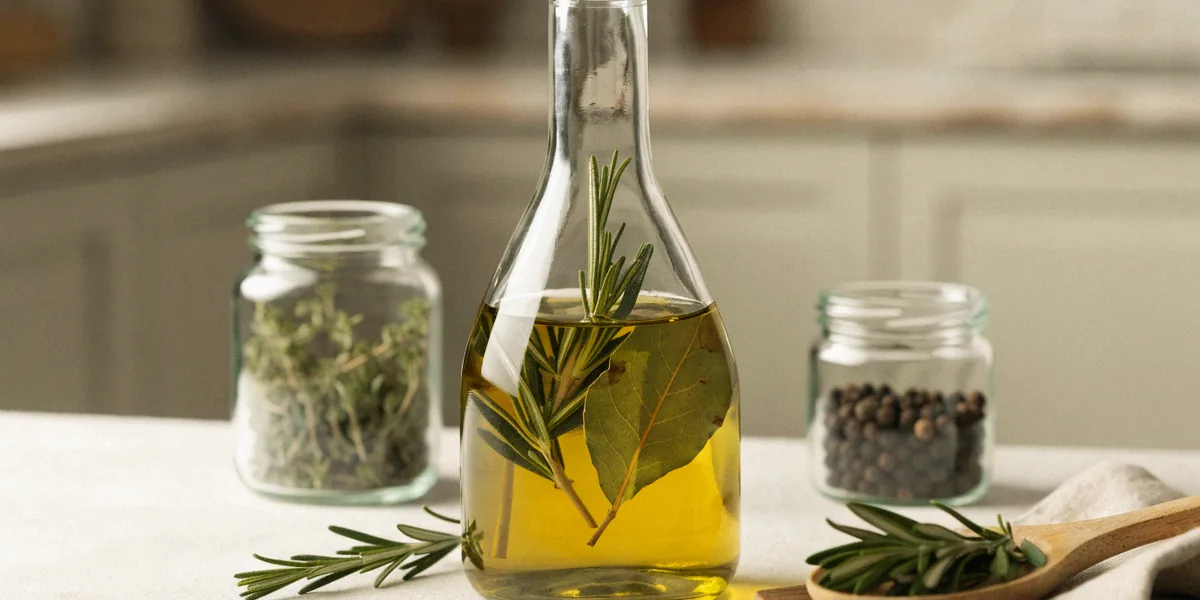
Infused olive oil is one of the simplest ways to bring Spanish flavour into a British kitchen. A good Spanish extra virgin olive oil already tastes fruity and peppery, and it takes on garlic, chilli, rosemary or lemon beautifully. A drizzle over potatoes, a spoonful on grilled fish, or a dip for bread is enough to transport you straight back to that Andalusian bar. Spanish extra virgin olive oil is the ideal base precisely because its flavour is bold enough to carry other ingredients without turning bitter.
The Spanish Tapas Tradition of Flavoured Oils
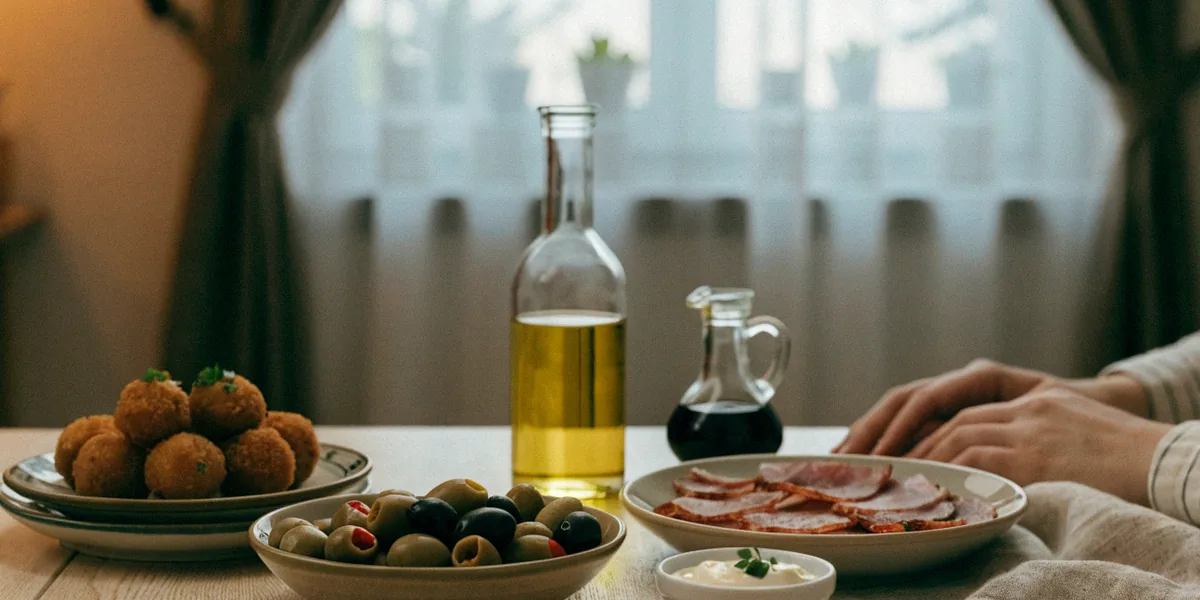
Across Spain, flavoured oils are part of everyday tapas culture. Bars serve oil infused with garlic and guindilla chillies alongside bread, and home cooks keep bottles of rosemary or lemon oil for dressing seafood and vegetables. The flavours are simple and seasonal: garlic, dried chillies, rosemary, thyme, bay, orange peel and smoked paprika. It feels effortless, which is exactly why so many of us want to make it at home.
The Botulism Risk Nobody Talks About
Here is the part that rarely makes it into the holiday romance. Fresh garlic, chilli and herbs placed in oil and stored at room temperature can create the conditions for Clostridium botulinum, the bacteria responsible for botulism. The UK Food Standards Agency advises against storing fresh garlic or herbs in oil at room temperature due to botulism risk. That advice is not a technicality; it is the difference between a lovely gift and a trip to hospital. The good news is that with the right method, you can still make these oils safely at home.
The Science Bit: Why Garlic and Herbs in Oil Can Be Risky
Understanding the science makes the safety rules much easier to remember. Clostridium botulinum spores are found in soil and on the surface of fresh produce, including garlic, chillies and herbs. The spores themselves are not the problem; the problem is what happens when they are given the right conditions to grow and produce toxin.
Anaerobic Conditions and Low Acidity
Oil creates an anaerobic environment, meaning there is no oxygen inside the bottle. Clostridium botulinum thrives without oxygen, and it also prefers low-acid conditions. Fresh garlic and herbs are only mildly acidic, so when they are submerged in oil at room temperature, they sit in exactly the environment the bacteria need. Commercial infused oils avoid this problem because they are acidified or heat-treated during production, which is why they can sit safely on a supermarket shelf. Our home kitchens need to replicate one of those two safeguards.
What the FSA and UK Food Safety Advice Says
UK Food Standards Agency guidance is clear: do not store fresh garlic, chillies or herbs in oil at room temperature. If you want to infuse with fresh ingredients, you must either heat the oil during the process or acidify the mixture, and then refrigerate it. This is the single most important rule on this page, and everything that follows is built around it.
Safe Methods for Infusing Olive Oil at Home
There are two reliable approaches for UK home cooks: heat infusion and acidification with dried ingredients. Both work, and both require refrigeration afterwards.
The Heat-Infusion Method Step by Step
- Choose a clean, dry bottle or jar, ideally dark glass, and sterilise it with boiling water.
- Warm your Spanish extra virgin olive oil gently in a saucepan with your flavourings — garlic, rosemary, guindilla or citrus peel — to between 60°C and 80°C. Do not let it fry or smoke.
- Hold that temperature for around 20 to 30 minutes, keeping a thermometer in the pan.
- Cool the oil completely, then strain out the solids through a fine sieve or muslin.
- Pour into your sterilised bottle, label it with the date, and store it in the fridge.
This method kills vegetative bacteria and reduces risk, but it does not make the oil shelf-stable. Refrigeration and a short shelf life still apply.
Using Dried Ingredients and Acid to Reduce Risk
Dried ingredients are safer than fresh because they contain far less moisture, which bacteria need to grow. Dried guindilla chillies, dried thyme, bay leaves and orange peel all work well. You can also acidify your infusion using sherry vinegar from Jerez, which holds protected designation of origin status and lowers the pH enough to reduce botulism risk. A tablespoon or two per bottle makes a noticeable difference to both safety and flavour. Pimentón de la Vera, a smoked Spanish paprika, adds safe, intense flavour without introducing moisture at all.
What Never to Do: Raw Garlic Left at Room Temperature
Never push raw garlic cloves, fresh chillies or fresh herbs into a bottle of oil and leave it in the cupboard. This is the classic botulism scenario, and it is the mistake most home cooks make after a holiday. If you want fresh garlic flavour, heat-infuse it and refrigerate the result.
Spanish Flavour Combinations We Recommend
Once you have the method down, the fun part is choosing what goes in the bottle. These combinations use Spanish pantry staples that are easy to find in the UK.
Garlic, Rosemary and Sherry Vinegar
Heat-infuse sliced garlic and a sprig of rosemary, then add a splash of sherry vinegar before bottling. The vinegar brings acidity and a bright, nutty note that works beautifully on roast potatoes and grilled lamb.
Guindilla Chilli and Smoked Paprika
Dried guindilla peppers and a teaspoon of Pimentón de la Vera give you a deep, smoky, gently hot oil that is superb on chorizo, eggs and Manchego. Brands such as Brindisa and Los Peperetes are UK-available Spanish food brands selling guindilla peppers and sherry vinegar, so you can source everything without a trip abroad.
Lemon, Bay and Olive Oil for Fish
Dried lemon peel and a couple of bay leaves make a clean, aromatic oil that suits hake, prawns and grilled vegetables. Add a little lemon juice for acidity if you are not using vinegar.
Storing, Labelling and Using Your Infused Oil
Storage is where most home infusions succeed or fail. Treat every homemade bottle as a fresh product, not a pantry staple.
Fridge Storage and Shelf Life
- Fresh-ingredient infusions: refrigerate and use within 1 to 2 weeks.
- Fully dried or acidified infusions: refrigerate and use within 1 to 2 months.
- Once opened and in use, aim to finish the bottle within a week.
Bottles, Labels and Gift Hampers
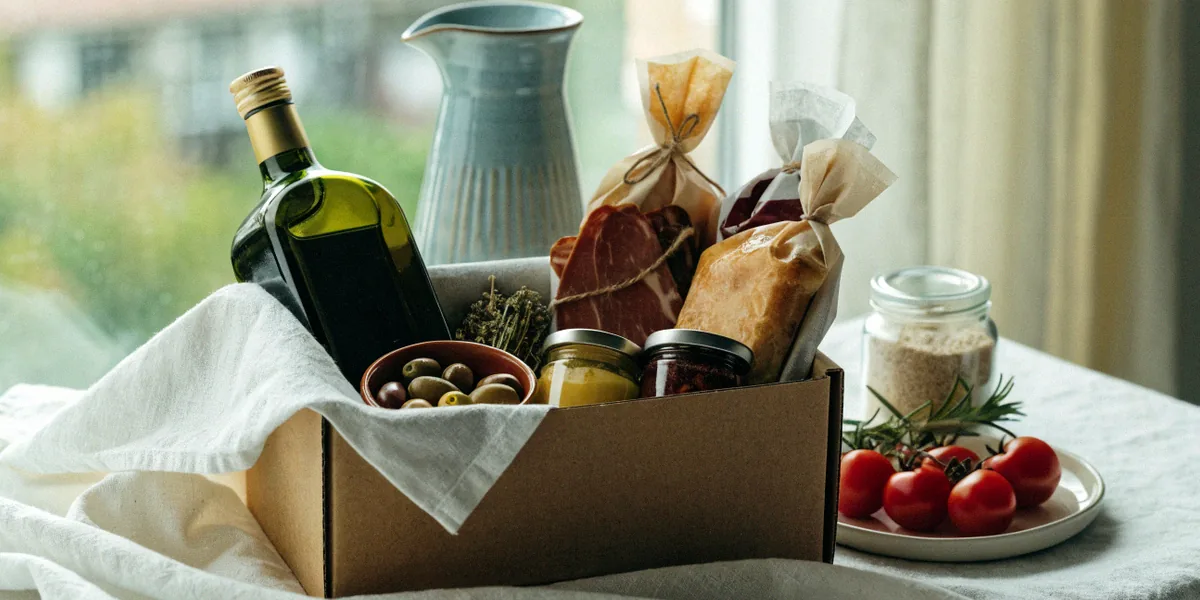
Dark glass bottles protect the oil from light, which slows rancidity. Always label with the date and the ingredients, and keep a note of when you opened it. Spanish food hampers from UK retailers often include infused olive oils, but homemade versions must be refrigerated and used within two weeks. If you are giving one as a gift, include a small card explaining the storage rules so the recipient enjoys it safely.
Frequently Asked Questions About Infused Olive Oil
Can I Use Fresh Garlic or Chilli?
Only if you heat-infuse the oil to 60–80°C and then refrigerate it, or acidify it with sherry vinegar or lemon juice. Never leave raw garlic or fresh chilli in oil at room temperature.
Is Shop-Bought Infused Oil Safer?
Generally yes. Commercial producers acidify or heat-treat their oils, which is why they can be stored on a shelf. Homemade oils do not have that protection unless you replicate the process.
How Long Does Homemade Infused Oil Last?
One to two weeks in the fridge for fresh-ingredient infusions, and one to two months for fully dried or acidified versions. Once you start using a bottle, finish it within about a week.
Can I Use Truffle Oil?
Most truffle oil is made with synthetic truffle aroma rather than fresh truffle, so it carries none of the botulism risk. If you are using real truffle, treat it as a fresh ingredient and refrigerate.
Infusing olive oil safely comes down to respecting the science: use heat or acid, dry your ingredients properly, and always refrigerate. Do that, and you can bring the golden, garlicky bowls of Andalusia into your own kitchen without ever risking food poisoning.

Post Comment