Apple Alioli and Other Spanish Sauces: A Tapas Lover’s Guide
The first time we tasted apple alioli, we were squeezed onto stools at a crowded tapas bar just off La Boqueria in Barcelona, balancing glasses of vermut and a plate of patatas bravas between elbows. The sauce looked innocent enough — pale, creamy, unassuming — but one dip of potato later, we were hooked. There was garlic, obviously, and good olive oil, but underneath it all was a gentle, fruity sweetness that softened the punch and made the whole plate disappear far too quickly. We spent the rest of that trip chasing the flavour, and the rest of the year recreating it in our own kitchens. This guide is the result: how to make apple alioli at home, plus the other Spanish sauces we think every UK home cook should have in their repertoire.
What Is Apple Alioli and Why We Love It
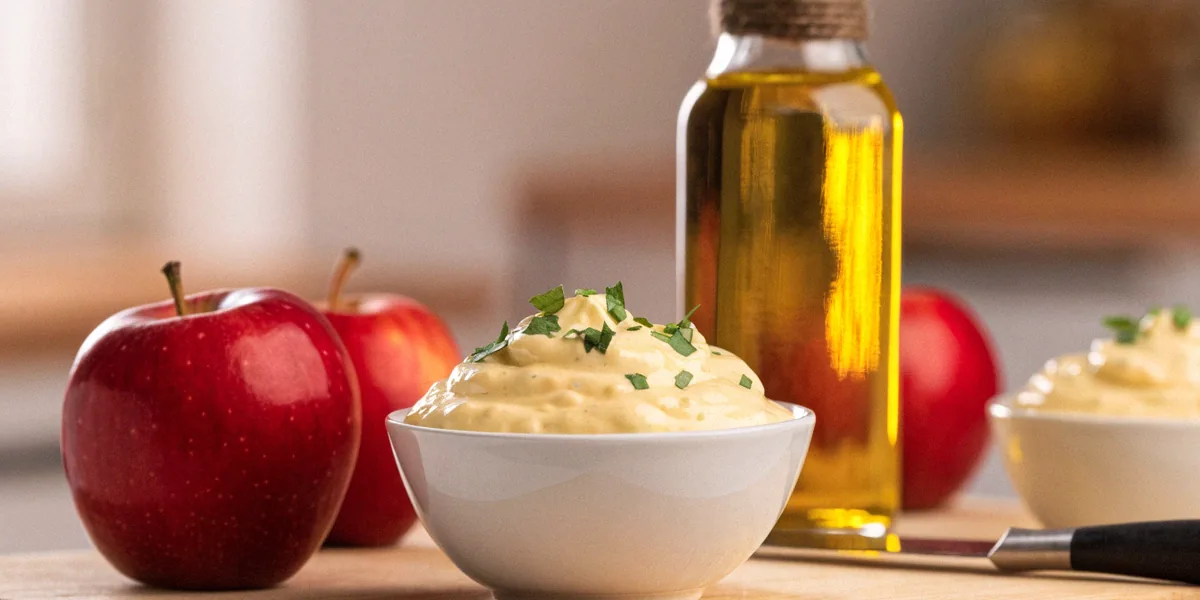
Traditional alioli is about as simple as cooking gets: garlic pounded with salt in a pestle and mortar, then olive oil worked in drop by drop until the whole thing emulsifies into a thick, glossy cream. No egg, no lemon, nothing else. Apple alioli takes that base and adds fruit — usually a purée of cooked or roasted apple — for a mellow sweetness that balances the raw heat of the garlic and the peppery kick of good Spanish extra virgin olive oil. It is still unmistakably alioli, just friendlier, and it works on almost anything you would serve with a garlicky mayonnaise.
For our version, we use Cox’s Orange Pippin apples, a British variety with a nutty, aromatic flavour and just enough acidity to cut through the oil. Pairing a homegrown apple with Spanish oil and vinegar feels like a small act of culinary diplomacy, and it keeps the ingredient list firmly within reach of a normal UK supermarket shop.
The Difference Between Alioli and Aioli
Spelling aside, the distinction matters. In Catalonia and the Valencian Community, alioli is the ancient garlic-and-oil emulsion made without egg. Aioli — the French-influenced spelling you see on modern restaurant menus — usually describes a garlic mayonnaise, made with egg yolk and often lemon juice. Both are delicious, but they behave differently in the kitchen. True alioli is thinner, more intensely garlicky, and can be temperamental to emulsify by hand. Egg-based aioli is richer, more stable, and much easier to make at home with a stick blender. Our apple alioli sits somewhere in the middle: egg-based for reliability, but with the garlic-forward character of the original.
Our First Taste in a Barcelona Tapas Bar
The bar in question served its apple alioli alongside grilled razor clams and thick slices of pan con tomate. What struck us was how the sweetness made the sauce more versatile, not less — it worked with seafood, with fried potatoes, even dabbed onto a wedge of Manchego cheese. We scribbled notes on a napkin, asked the barman roughly what was in it (he shrugged and said “manzana”), and started testing versions the week we got home.
How to Make Apple Alioli at Home
You do not need a pestle and mortar, arm stamina, or any particular skill for this. A stick blender and a tall jug will do the job in under ten minutes, and because we use pasteurised egg yolk — widely available in UK supermarkets and safer for anyone who is pregnant, elderly, or immunocompromised — there is no raw-egg worry. The one rule is to add the oil slowly at the start so the emulsion holds.
Ingredients You’ll Need from UK Supermarkets
- 1 pasteurised egg yolk (look for brands such as Two Chicks, stocked in most large supermarkets)
- 1 small garlic clove, peeled and grated or crushed
- 1 tsp sherry vinegar from Jerez — the PDO-protected vinegar aged in the sherry triangle is worth seeking out
- 150ml mild Spanish extra virgin olive oil (a soft Picual or a blended oil works better here than a peppery single-estate bottle)
- 3 tbsp apple purée, made from 1–2 stewed Cox’s Orange Pippin apples, cooled
- Fine sea salt, to taste
Step-by-Step Method with Troubleshooting Tips
- Put the egg yolk, garlic, sherry vinegar, and a pinch of salt into a tall jug.
- Blitz briefly with the stick blender to combine.
- With the blender running, add the olive oil in a very thin stream at first — literally a trickle for the first 30 seconds — then a little faster once the mixture visibly thickens and pales.
- Fold in the apple purée by hand with a spatula. Taste and adjust salt and vinegar.
- Chill for at least 30 minutes before serving. It keeps for three days in a sealed jar in the fridge.
If the sauce splits, do not panic. Tip it into a clean jug, put a fresh egg yolk in the bottom, and slowly blend the split mixture back into it. If it tastes too sharp, add a little more apple purée; if it lacks punch, a few drops more sherry vinegar will wake it up. Serve it with patatas bravas, grilled fish, roast chicken, or simply as a dip with good bread.
Other Classic Spanish Sauces to Master
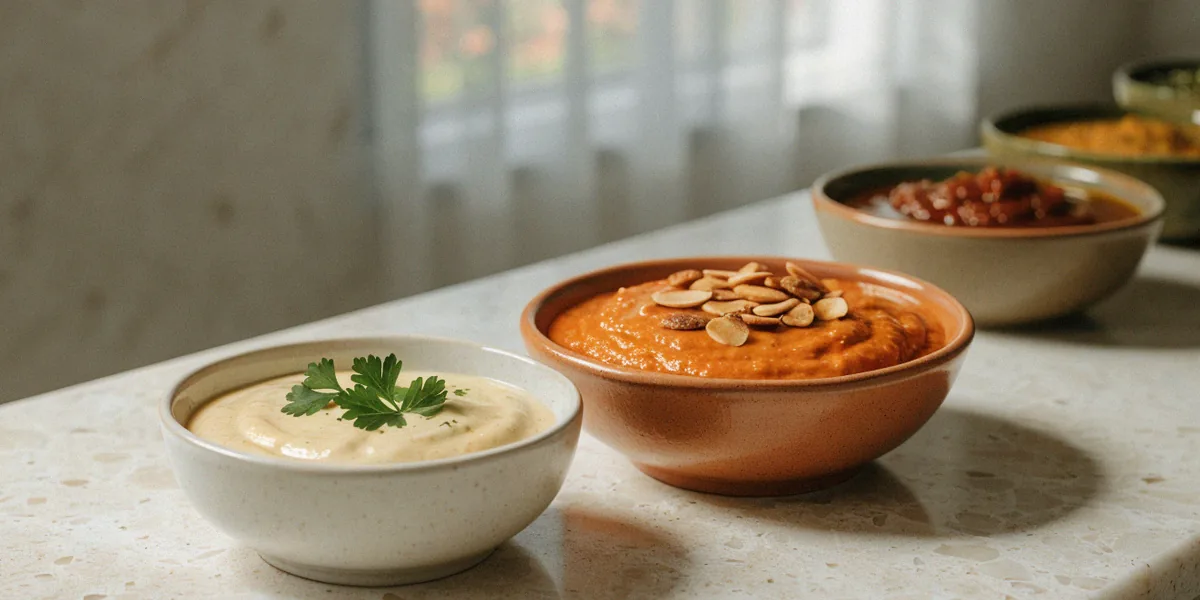
Once you have one emulsion under your belt, the wider world of Spanish sauces opens up quickly. Three in particular are worth learning, because between them they cover almost every occasion a UK kitchen throws at you — a summer lunch, a Sunday roast, a bowl of something cold on a hot afternoon.
Romesco: Catalonia’s Nutty Red Sauce
Romesco comes from Tarragona, traditionally served with grilled spring onions or fish. Its backbone is ñora peppers — dried, sweet, mild red peppers — blitzed with toasted Marcona almonds, garlic, tomato, and a slug of sherry vinegar. The result is smoky, nutty, and faintly sweet. It is excellent with roasted vegetables, grilled prawns, or spread on a chorizo sandwich.
Salmorejo: Andalusia’s Chilled Tomato Soup
From Córdoba, salmorejo is what happens when you blend ripe tomatoes with stale bread, garlic, olive oil, and salt until it turns silky, then top it with chopped jamón and hard-boiled egg. Unlike gazpacho, there is no cucumber or pepper, and the texture is thicker, closer to a savoury pouring cream. On a warm British summer day, served very cold in small glasses, it is about as refreshing as food gets.
Mojo Verde: Canary Islands’ Herb Sauce
Mojo verde is the green counterpart to the islands’ red mojo rojo. It blends coriander, parsley, green pepper, garlic, cumin, olive oil, and a splash of vinegar into a loose, vibrant sauce that is traditionally spooned over wrinkly salt-baked potatoes. It also happens to be superb with grilled halloumi, roast cauliflower, or any white fish.
Pairing Spanish Sauces with Cheese and Tapas
A jar of apple alioli and a wedge of good Spanish cheese is one of the fastest routes to a proper tapas spread at home. The sweetness in the alioli flatters aged sheep’s milk cheeses without overwhelming them, and a drizzle of sherry vinegar over anything fried or grilled instantly lifts it.
Spanish Cheese Board Ideas for UK Home Cooks
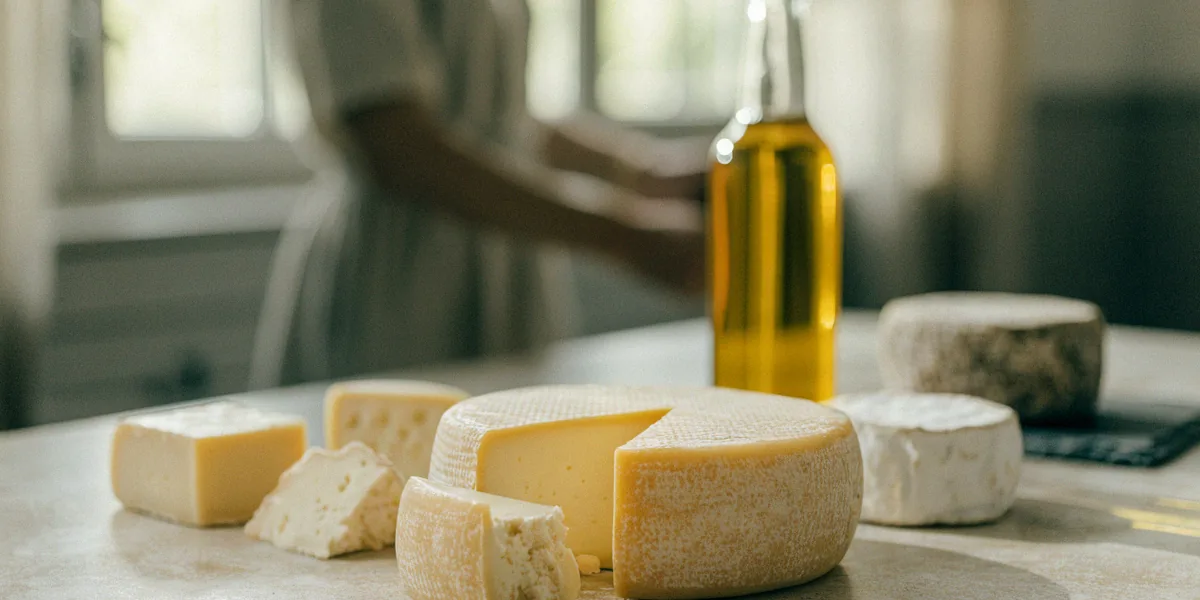
Start with Manchego — the famous sheep’s milk cheese from La Mancha, firm and nutty, ideal sliced thin and dunked in alioli. Add something blue and bold, such as Cabrales from Asturias, for contrast. A soft goat’s cheese, a wedge of Idiazábal, and a handful of Marcona almonds complete the board. London-based Spanish food specialist Brindisa, with shops in Borough Market and elsewhere, stocks all of the above, and their online shop delivers nationwide.
Tapas Recipes That Shine with These Sauces
Patatas bravas is the obvious starting point — crisp potatoes, a smoky tomato sauce, and a spoonful of apple alioli on top. Gambas al ajillo, sizzling garlic prawns, benefit enormously from a few drops of sherry vinegar stirred in at the end. Grilled padron peppers, tortilla española, and pan con tomate round out a table nicely, and all of them welcome a bowl of romesco or mojo verde alongside.
Building a Spanish Food Hamper for Sauce Lovers
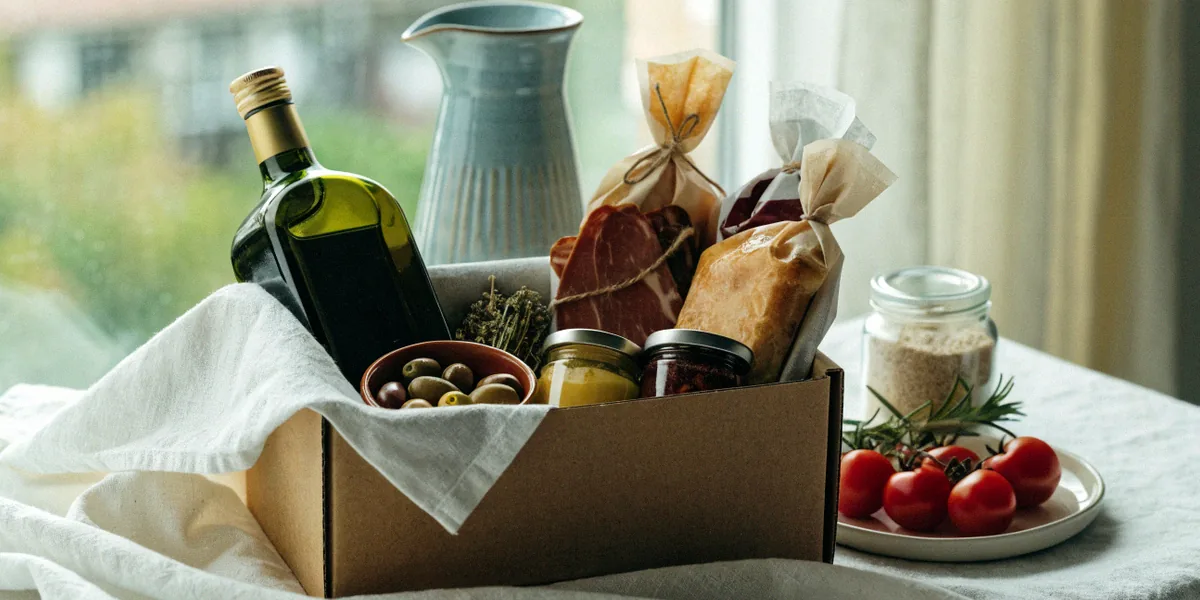
If you are putting together a gift for someone who loves to cook, a Spanish food hamper built around sauces and pantry staples is hard to beat. It is practical, it travels well, and it gives the recipient a whole evening’s cooking project rather than a single treat.
Essential Ingredients for Your Hamper
- A bottle of PDO sherry vinegar from Jerez
- A good Spanish extra virgin olive oil — look for a harvest date on the label
- A jar of tinned piquillo peppers, which stuff beautifully with cheese or tuna
- A jar of our apple alioli, ready to serve straight from the fridge
- A wedge of Manchego and a small tin of Marcona almonds
Where to Buy Spanish Food in the UK
Brindisa remains the benchmark for Spanish ingredients in Britain, with a London presence and reliable online delivery. Supermarket own-label ranges have improved enormously too — Waitrose and Ocado both carry decent Manchego and sherry vinegar. And of course, everything mentioned here is available through our own shop at The Foodie’s Larder, with UK-wide delivery and careful packaging so jars and bottles arrive intact.
FAQ
Can I make apple alioli without egg?
Yes. Traditional alioli uses only garlic, salt, and olive oil, worked together in a pestle and mortar or with a stick blender. It is thinner and more intensely garlicky than the egg-based version, and it can split more easily, but it is perfectly achievable and naturally suitable for anyone avoiding egg.
What is the best apple to use for apple alioli?
We favour Cox’s Orange Pippin because it balances sweetness with a nutty, aromatic acidity that keeps the sauce from tasting flat. Bramley apples work if you want a sharper result, and a 50/50 blend of Cox and Bramley gives a nice middle ground.
How long does homemade apple alioli keep?
Stored in a sealed jar in the fridge, it will keep for around three days. Because it contains egg, we do not recommend freezing it — the emulsion breaks down on thawing and the texture becomes grainy. Make it in small batches instead.
Why is sherry vinegar from Jerez so highly regarded?
Sherry vinegar carries PDO protection, meaning it must be produced in the sherry triangle around Jerez de la Frontera in Andalusia and aged in the traditional solera system. That ageing gives it a complex, nutty depth that ordinary wine vinegars simply do not have, and a little goes a long way in sauces and dressings.
Where can I buy Spanish cheese in the UK?
Brindisa is the best-known specialist, with shops in London and a national online delivery service. Larger Waitrose and Ocado stores stock Manchego and other Spanish cheeses, and independent delis in most cities now carry a decent selection.
Apple alioli is one of those recipes that quietly changes how you cook. Once you have a jar in the fridge, you will find yourself spooning it over roast chicken, stirring it into potato salad, and setting it out with bread and cheese whenever friends turn up. The same goes for romesco, salmorejo, and mojo verde — each one takes minutes to make and delivers a genuinely different flavour to your table. Start with the alioli, add the sauces that appeal, and you will have brought a proper taste of Spain into your UK kitchen without leaving the county.


Post Comment